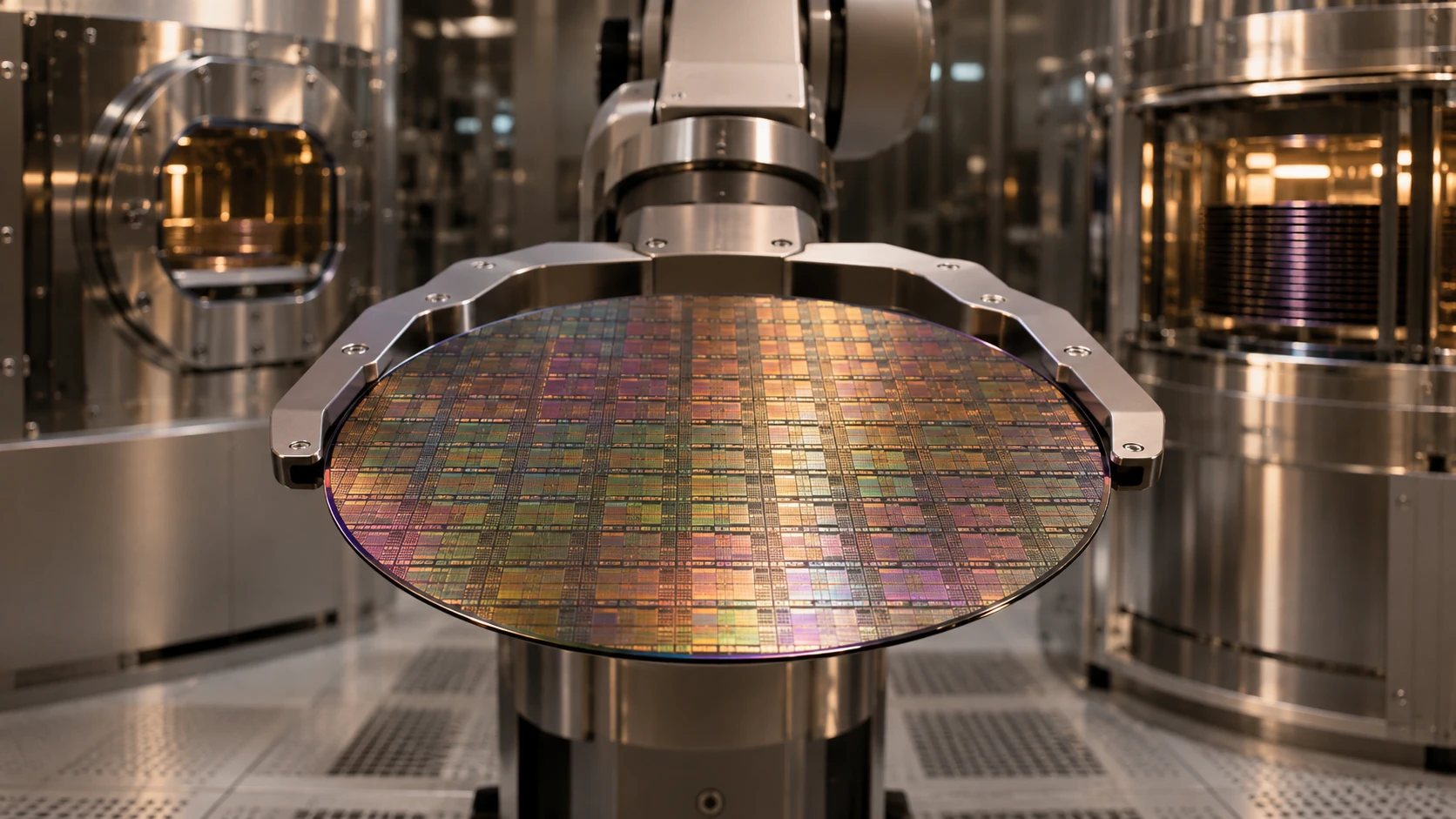
What Would Texas Chips Change for Starlink?
Samsung reportedly plans to make Starlink laser-link chips in Austin. The business test is whether Texas adds a dependable source of supply.
Samsung reportedly plans to make Starlink laser-link chips in Austin. The business test is whether Texas adds a dependable source of supply.
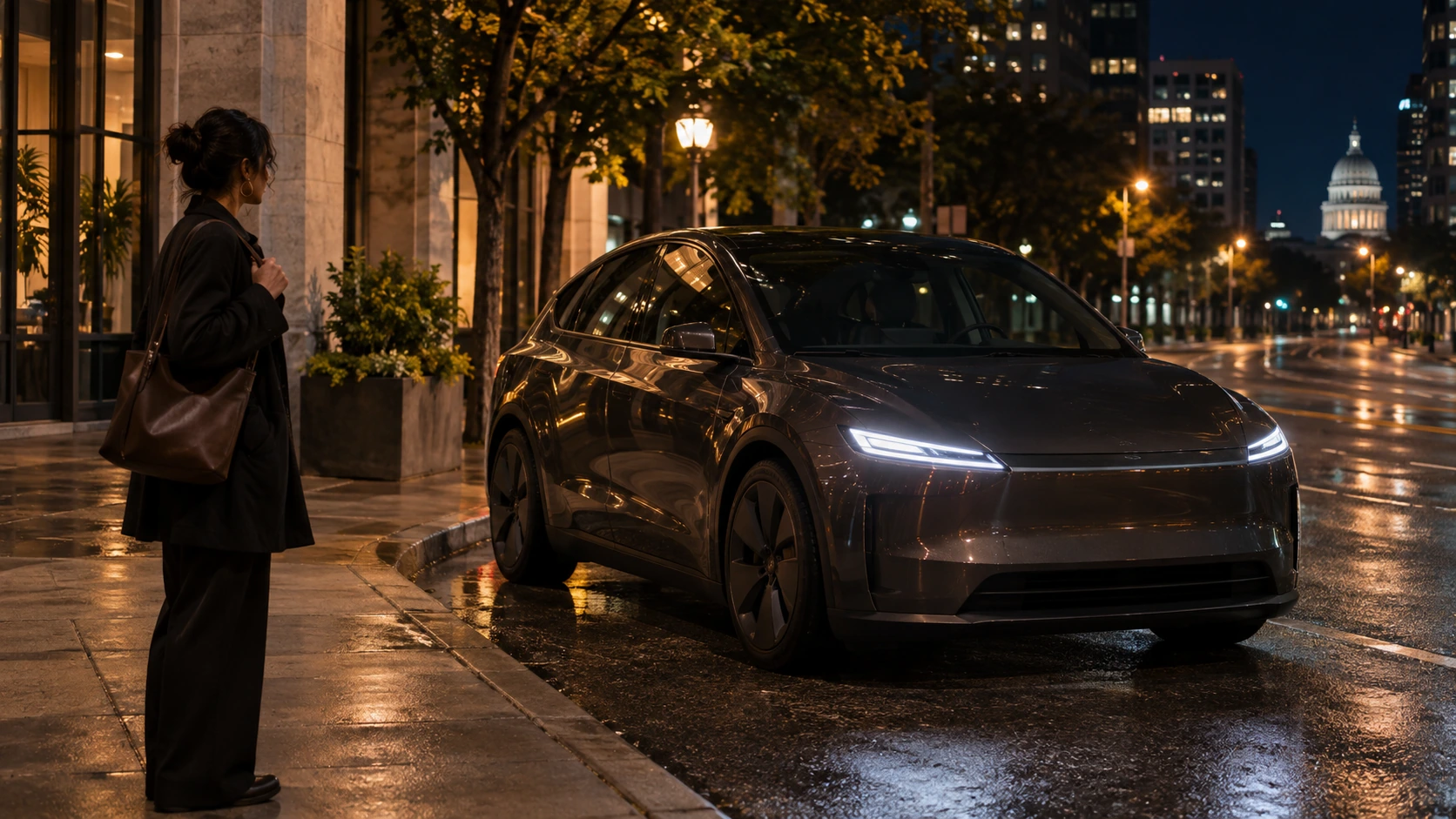
Tesla says Robotaxi now runs around the clock. The business test is whether overnight fares cover the extra work of keeping the fleet available.
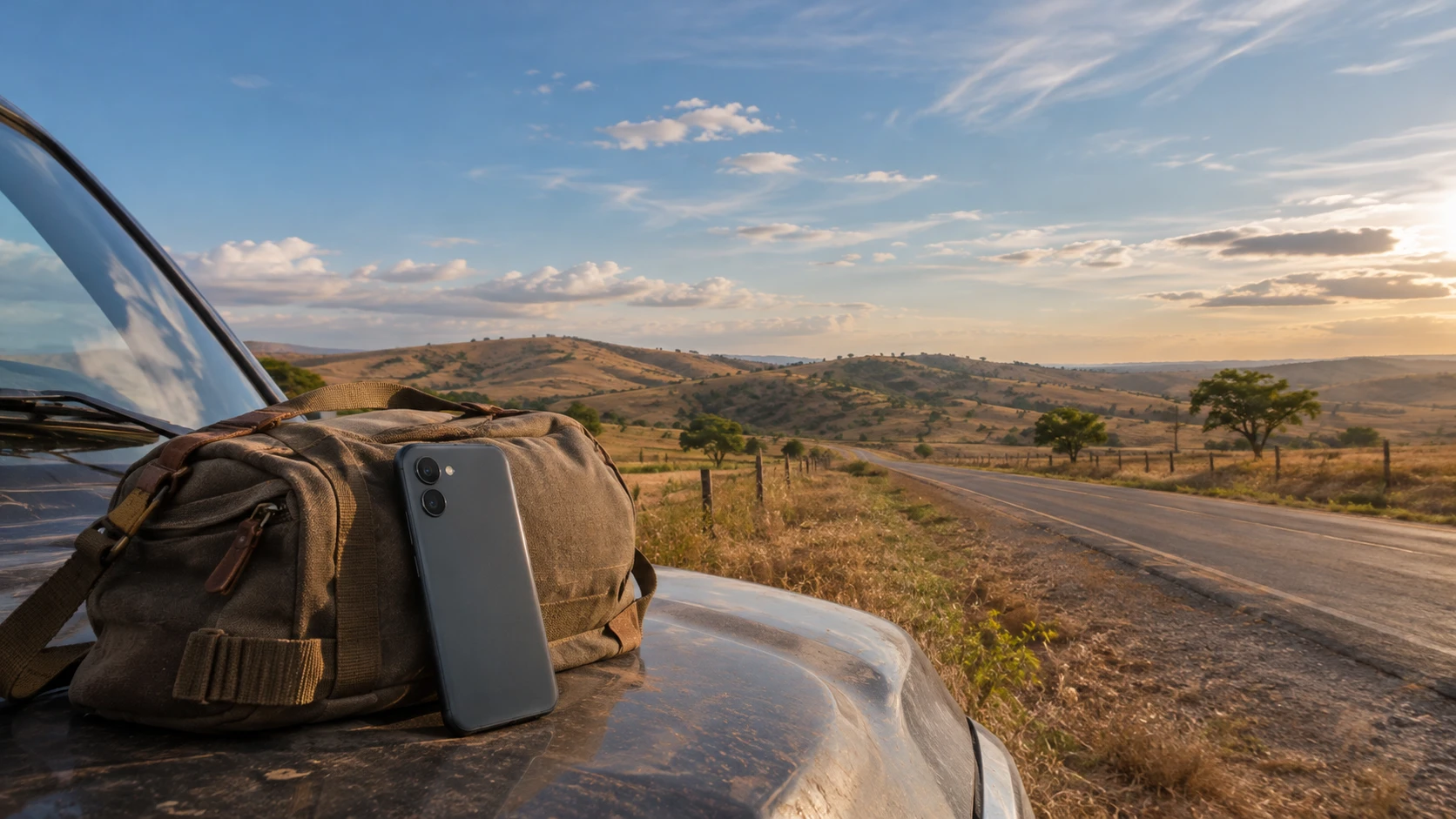
Vivo reports more than 10 million satellite users. The business test is whether carriers gain enough value to keep paying SpaceX for capacity.
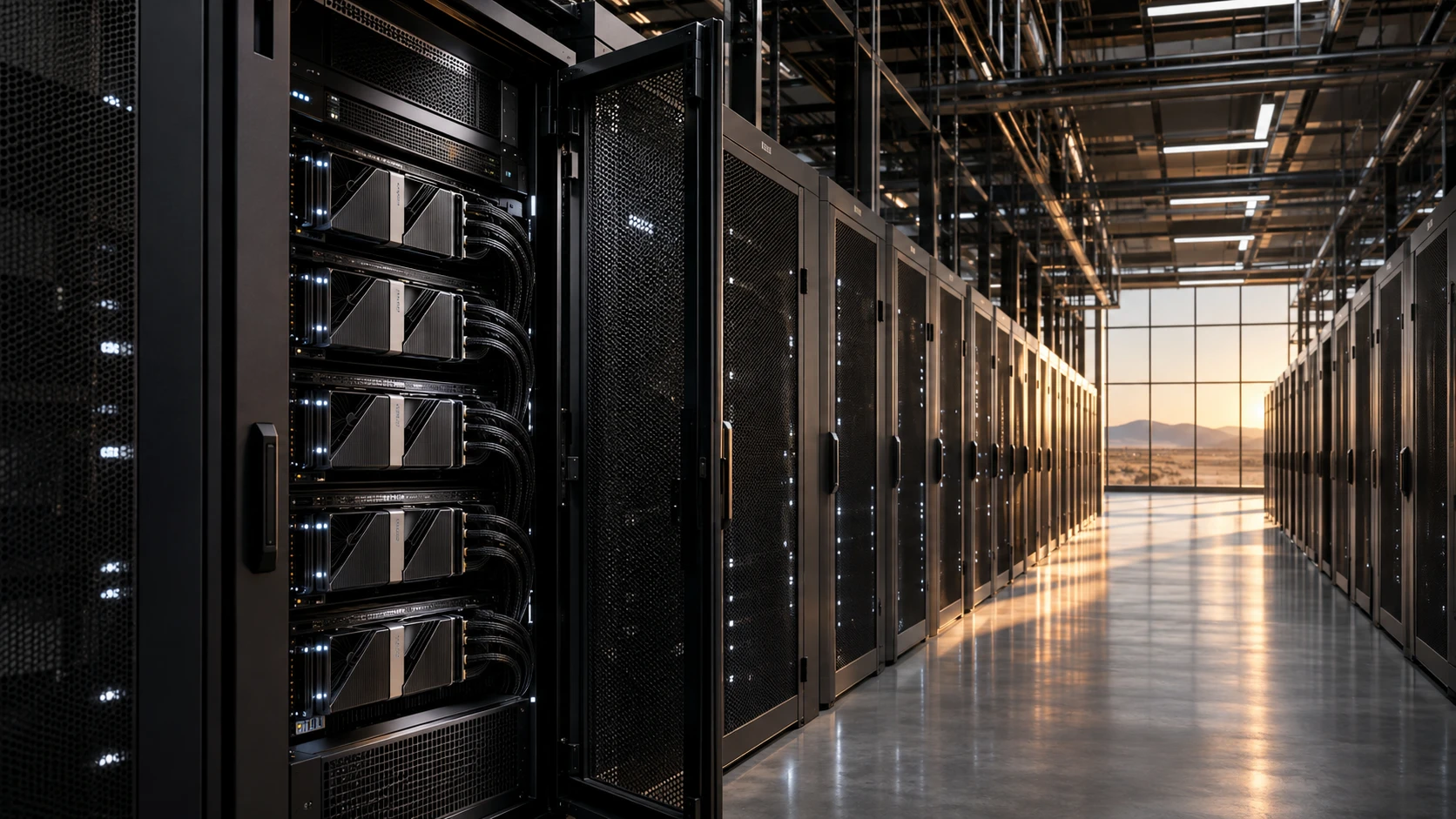
The contract’s headline value matters less than what the capacity earns next.
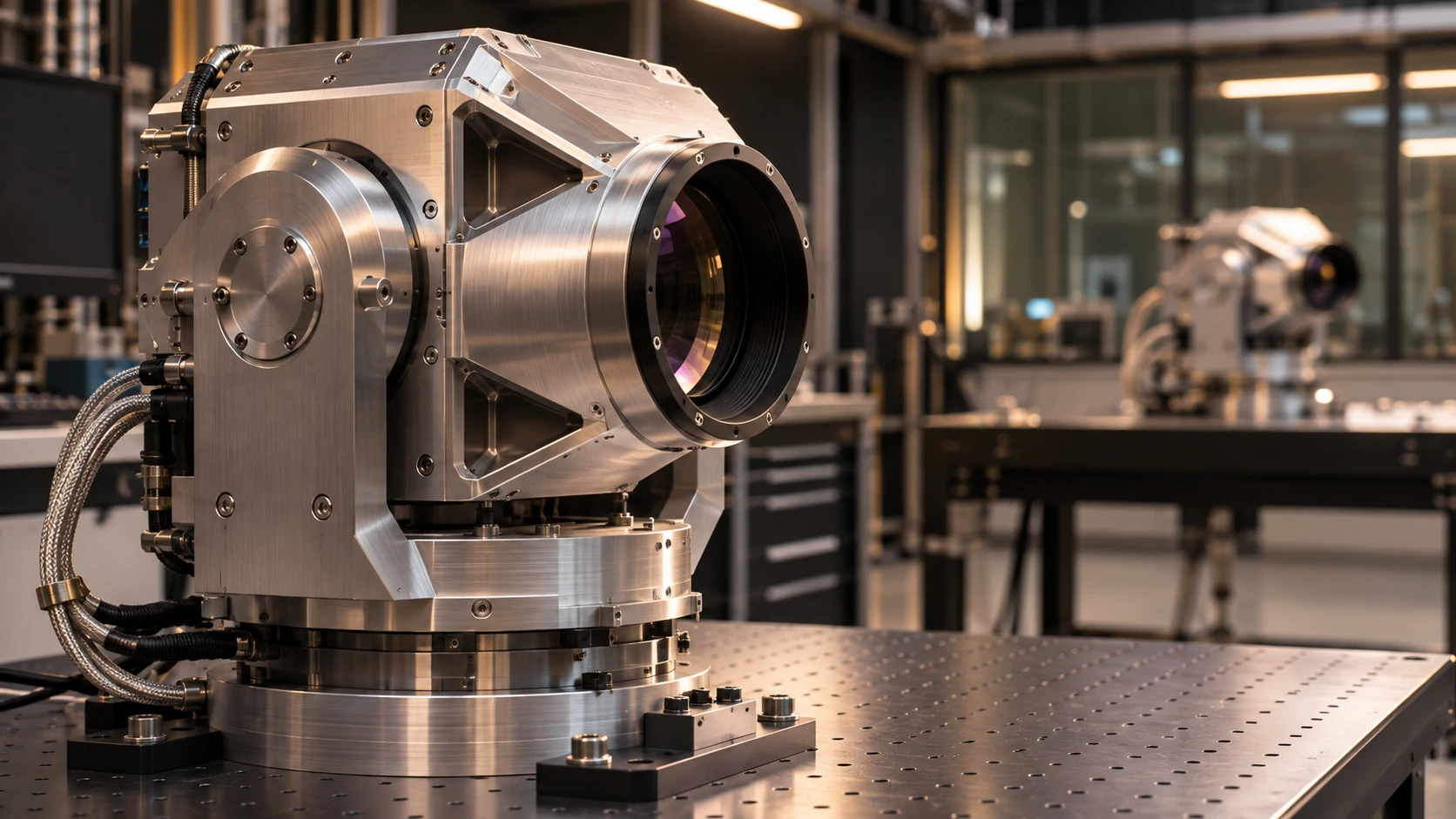
SpaceX has won a $9.9 million study of its Plaser laser terminal. What would turn a working connection into a repeatable military communications business?
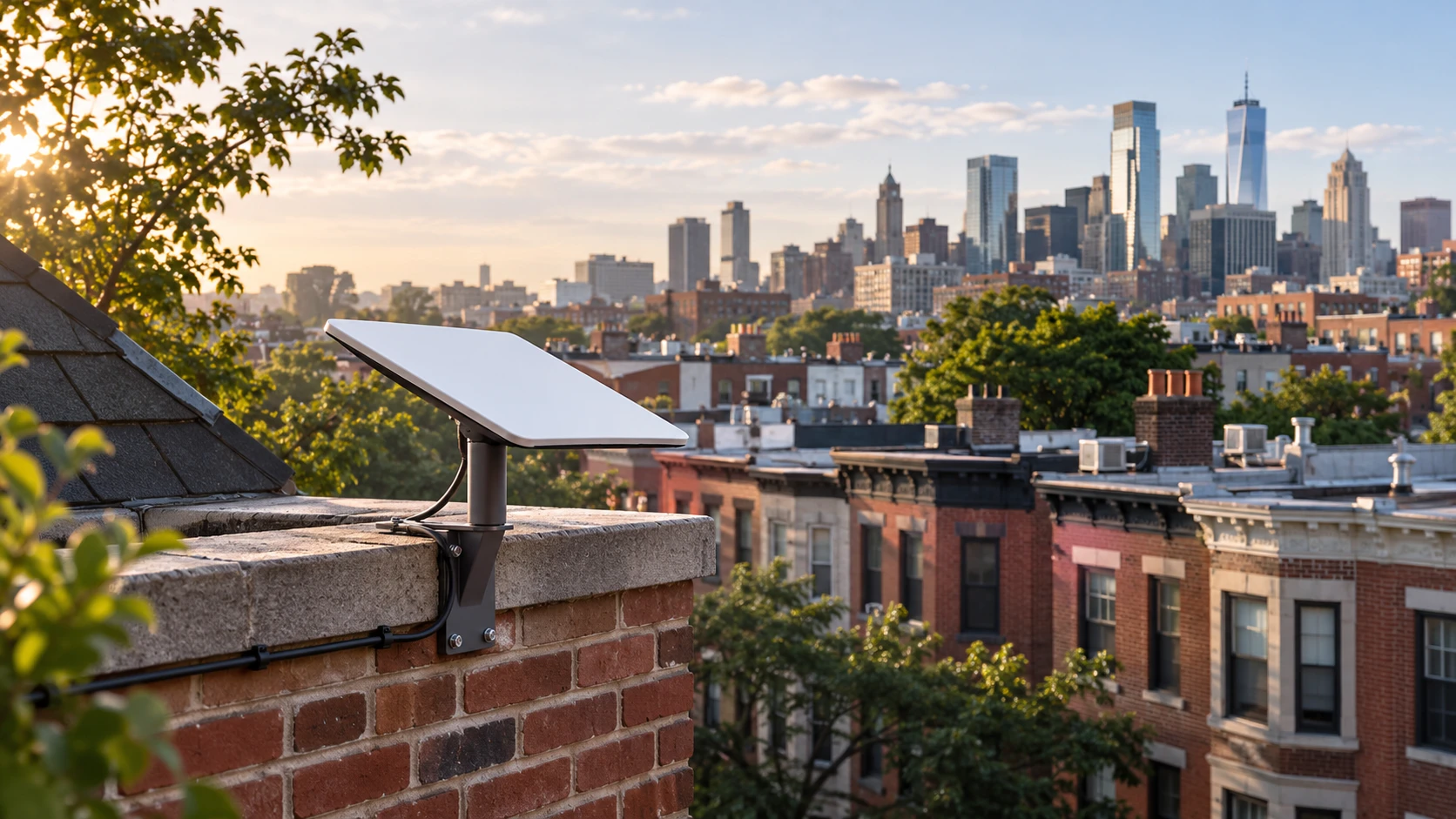
Reported urban interest gives Starlink a larger opportunity. Can it retain households and serve them profitably after promotions?

Finland permits Tesla Assisted Driving before winter. What changed, what must drivers still do, and what turns approval into a useful product?
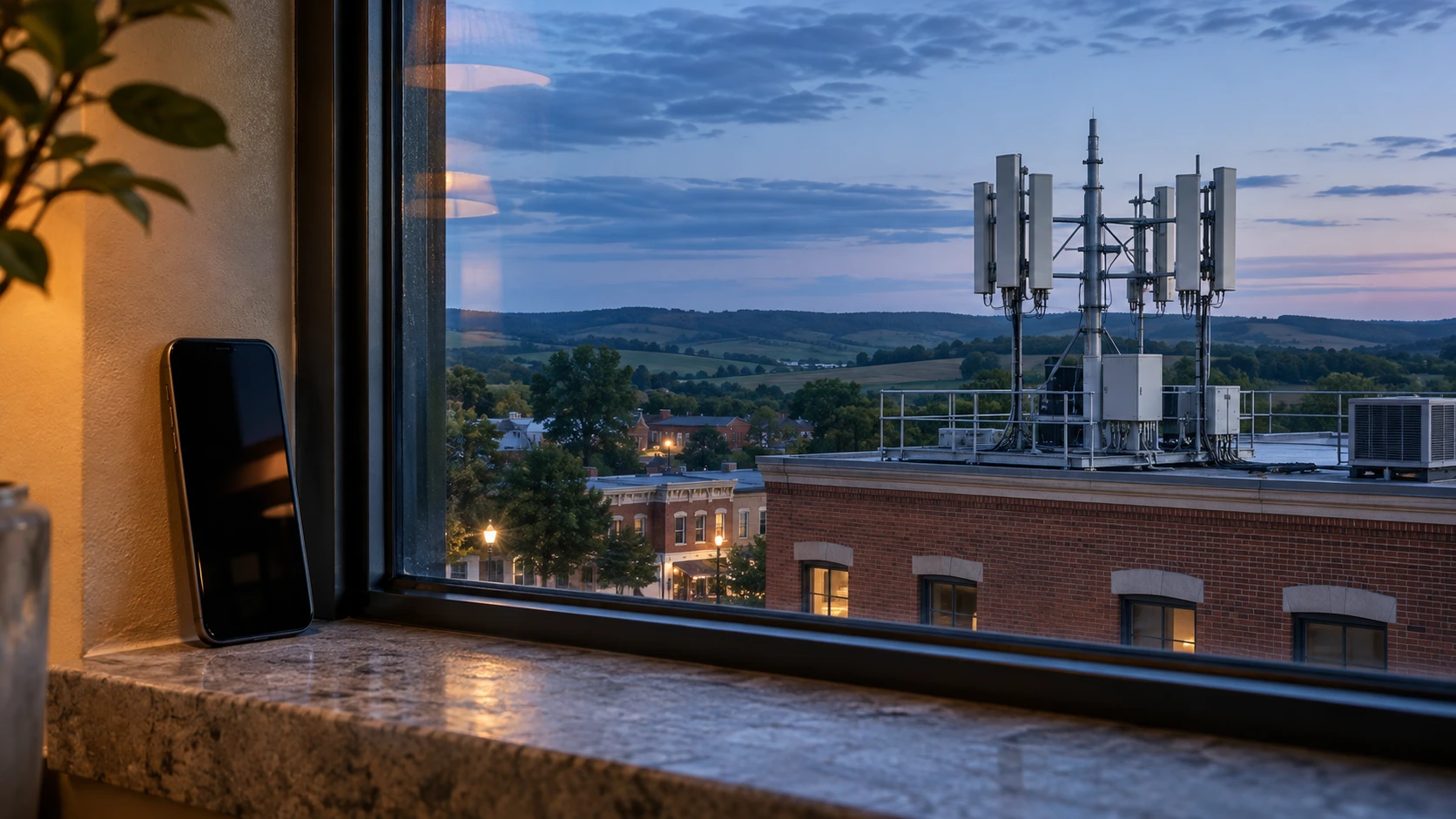
The FCC has accepted SpaceX’s application to buy Grain’s 800 MHz spectrum for review. What would turn nationwide airwaves into reliable everyday phone service?
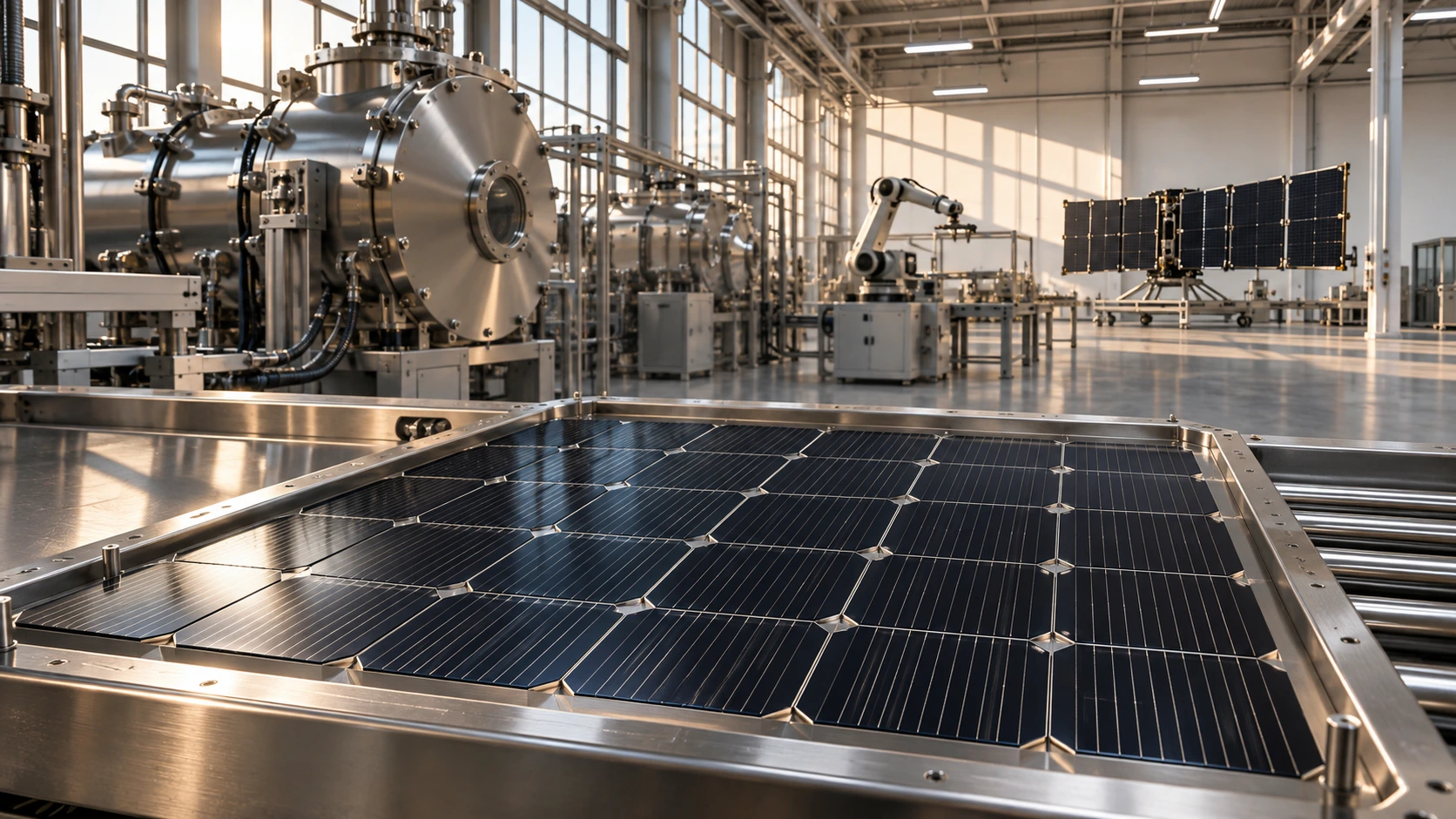
SpaceX has ordered solar-cell manufacturing equipment for Starmind. Can control of its supply chain turn into reliable orbital AI computing?
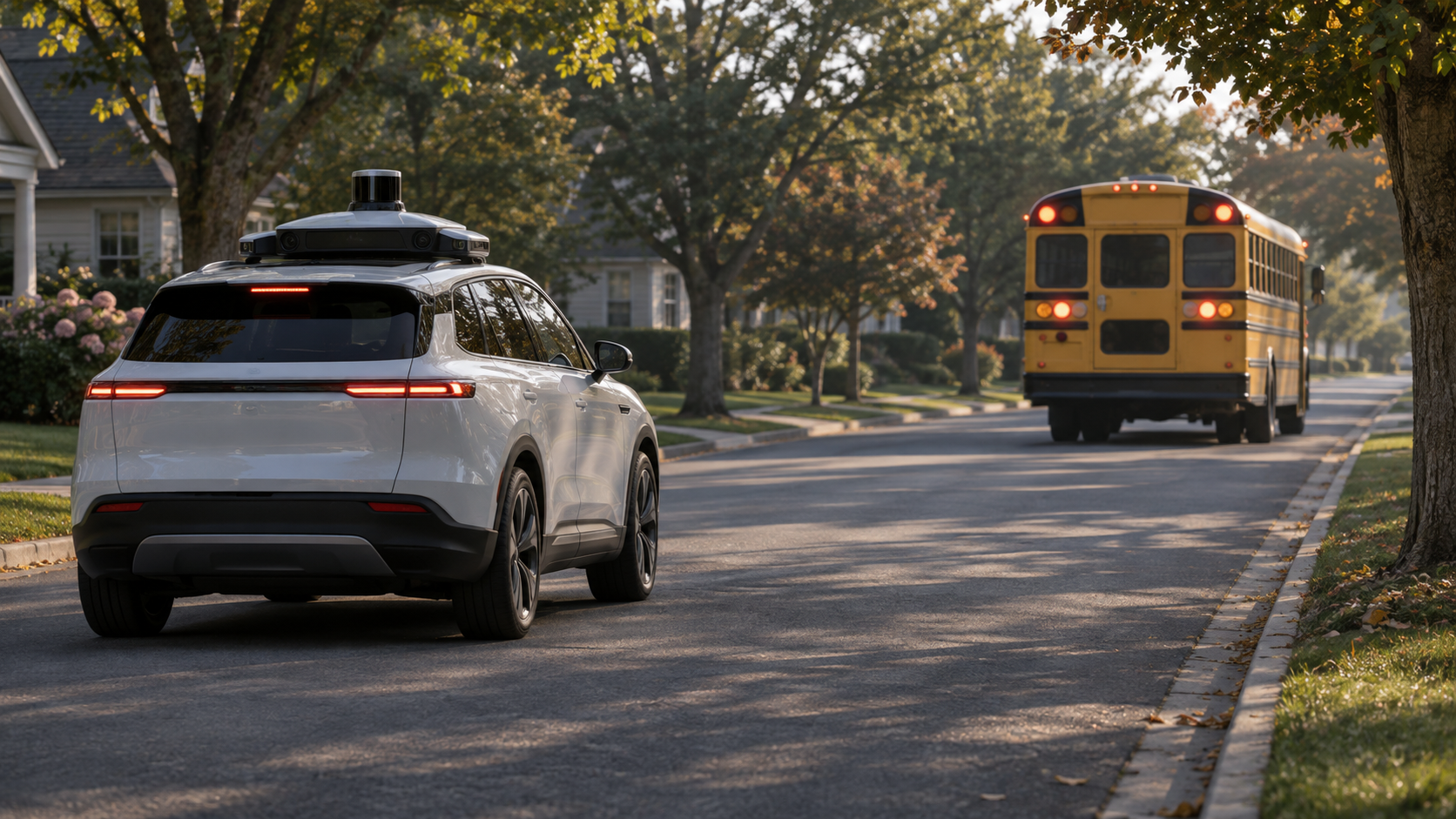
Why regulators are reviewing Waymo’s school-bus software remedy, what the original problem was, and what evidence would show the fix works.
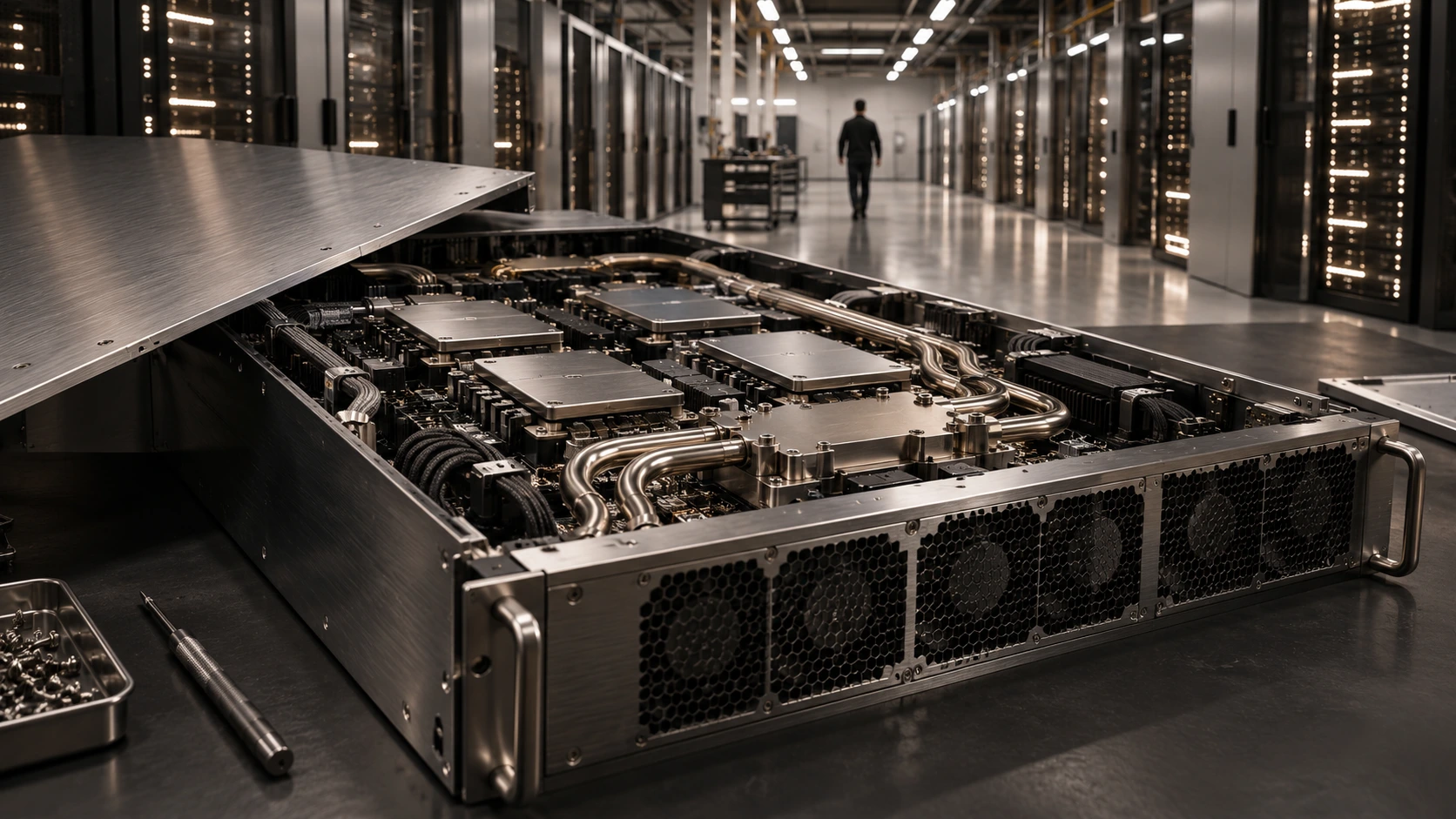
Grok’s team rebuilt the software behind its next model. Why accept the delay, what could custom software improve, and what will users notice?
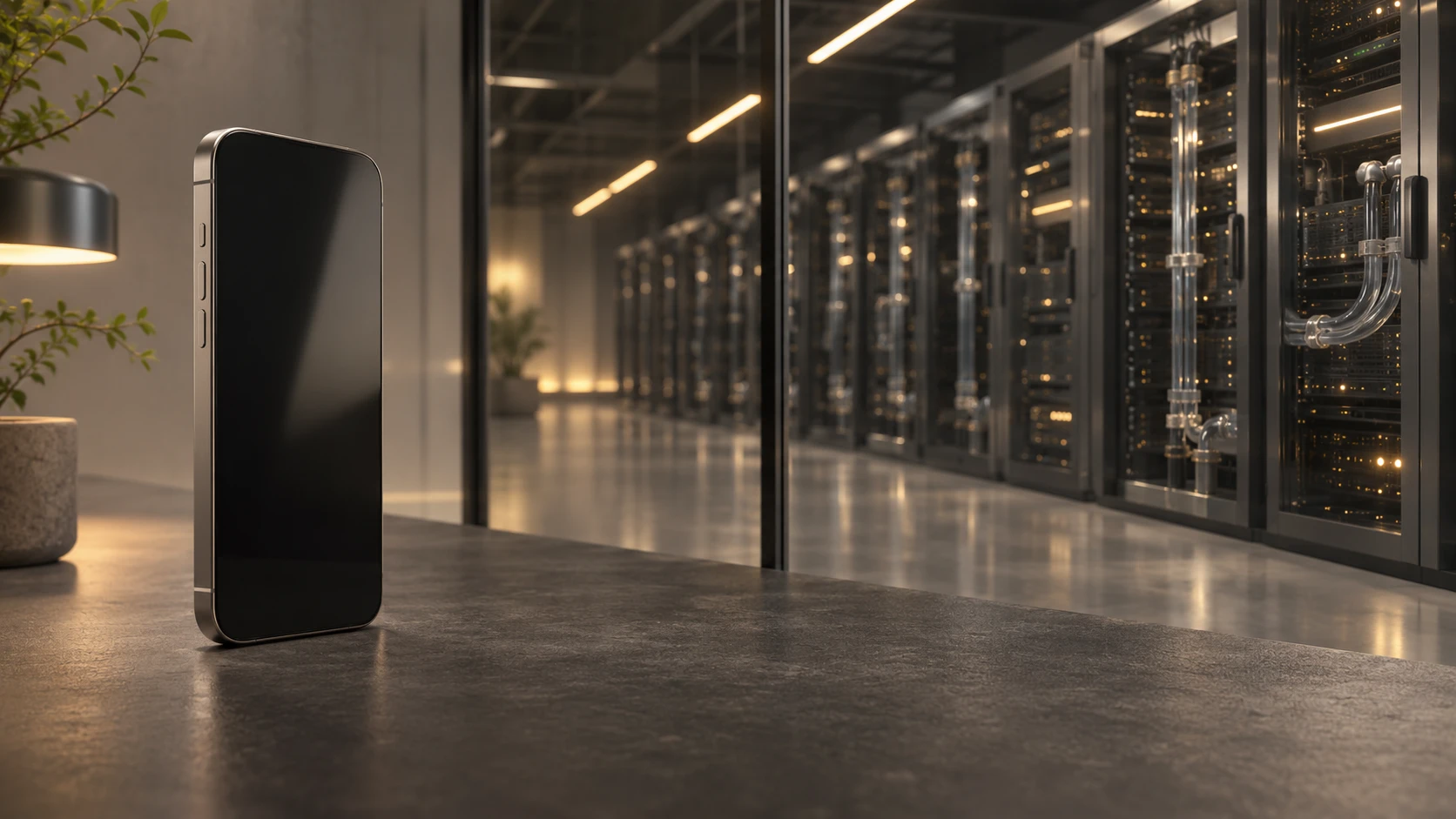
Apple can control Siri while buying AI capabilities. SpaceX can sell computing to rival models. What do contract terms and completed-task costs mean for investors?
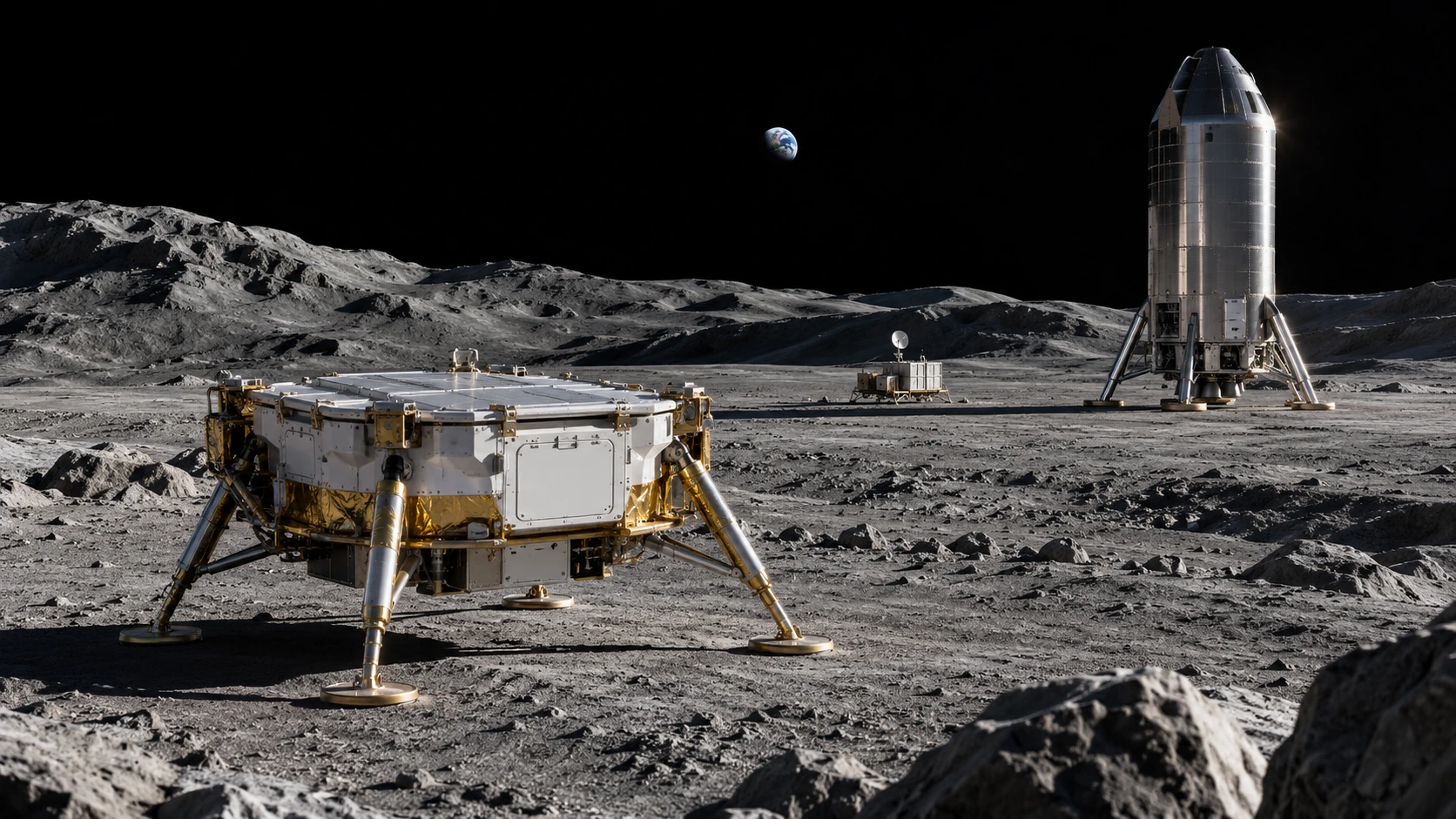
Blue Origin has cargo orders. SpaceX can sell launches and develop Starship. Who is positioned to win NASA’s lunar delivery business, and what still has to work?
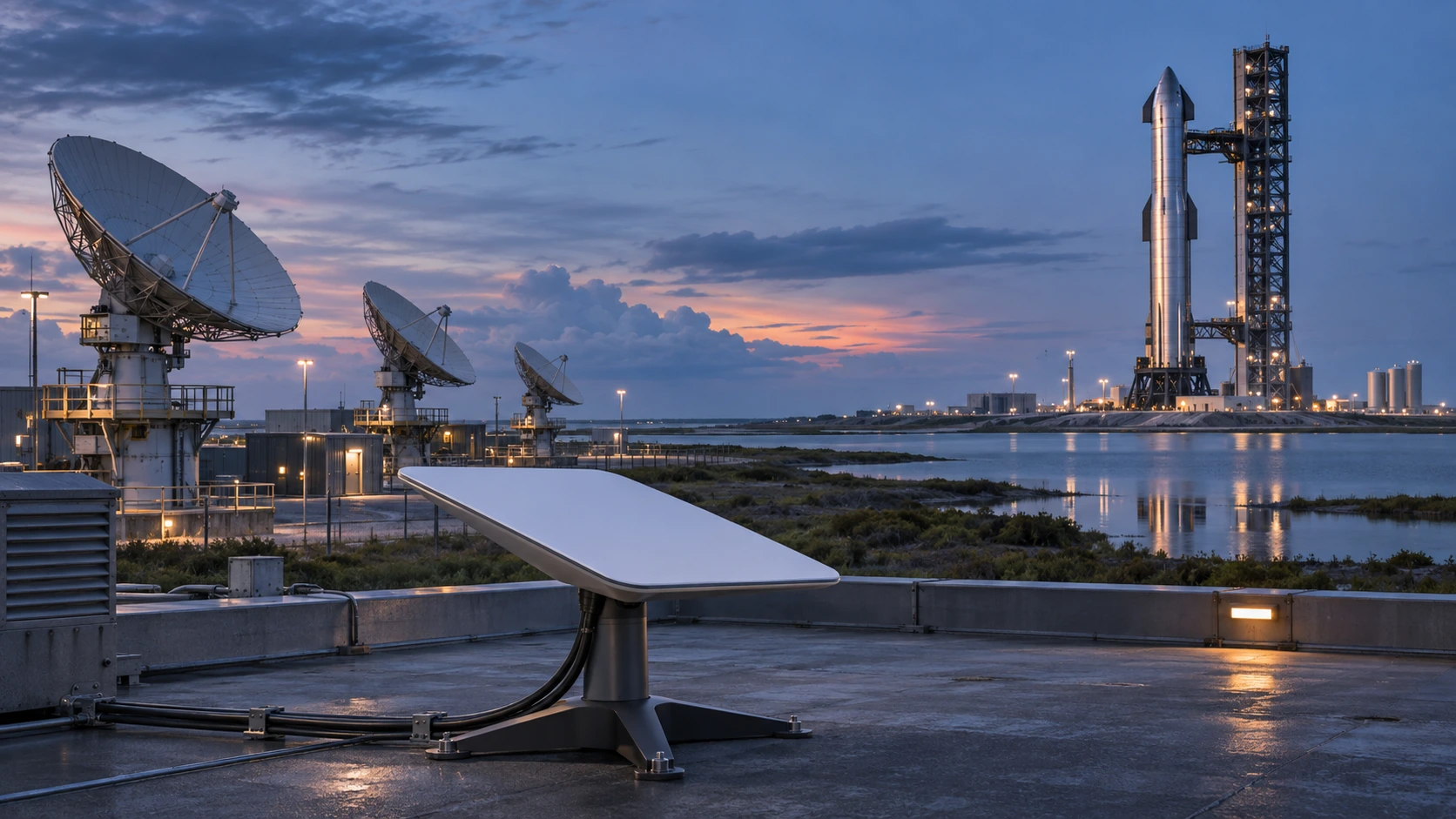
SpaceX is building networks that earn money after the launch. What determines whether more capacity creates lasting returns for shareholders?
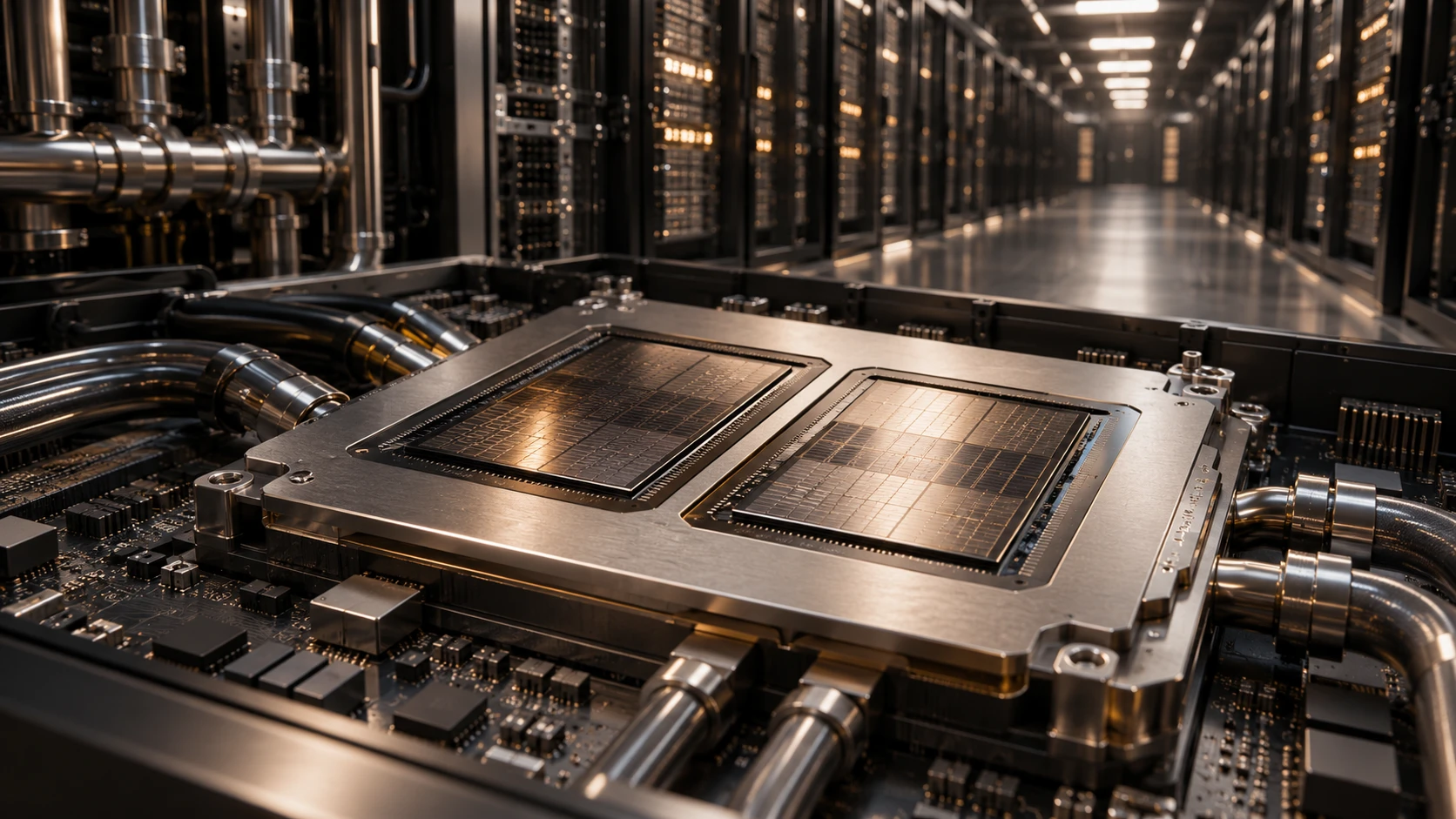
Google’s new TPU systems expand the competition for AI work. Who captures the savings: Alphabet, Nvidia, SpaceX or their customers?
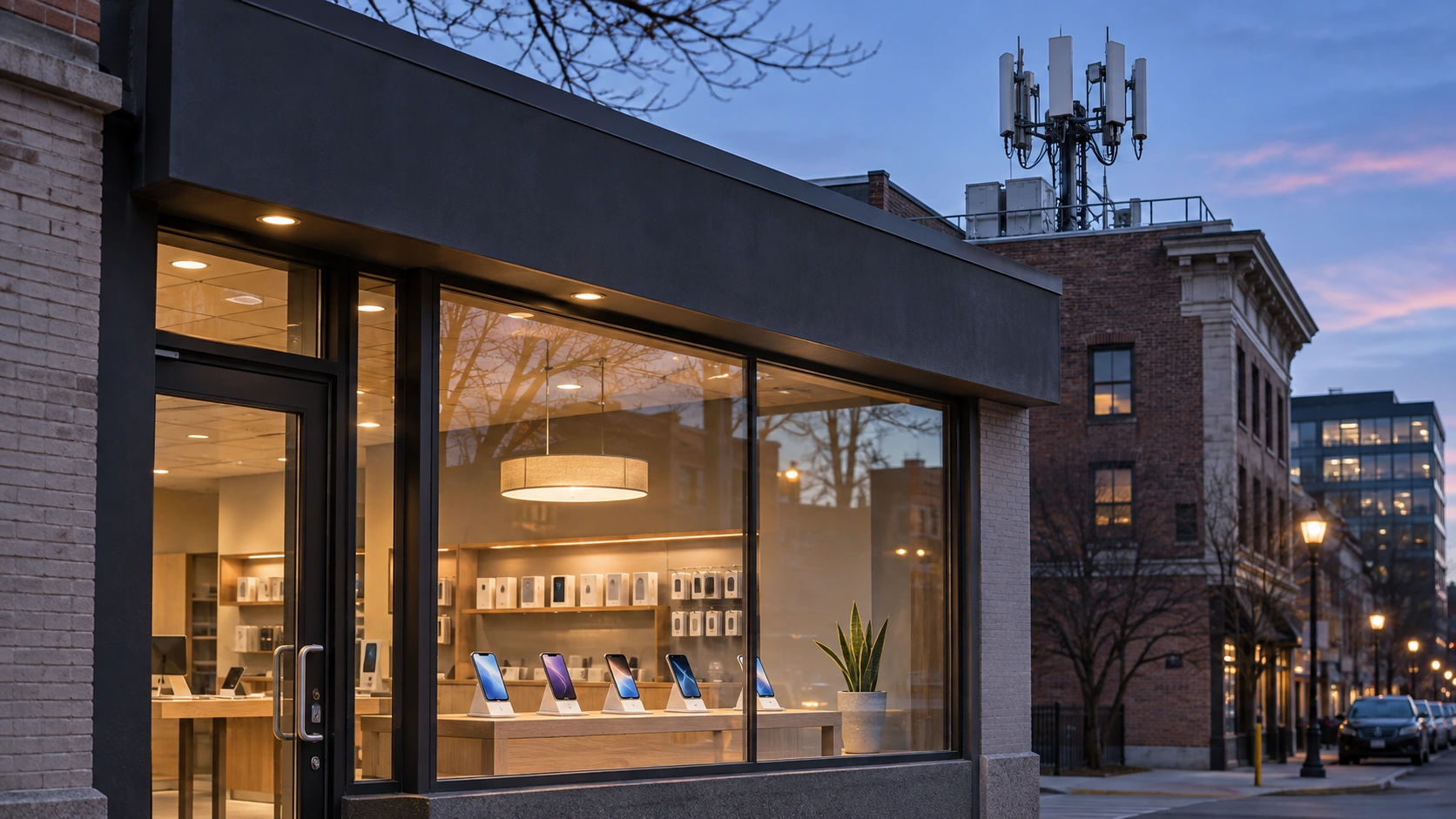
A Boost Mobile deal could bring SpaceX customers. Would network access and pricing let it turn those customers into a profitable wireless business?
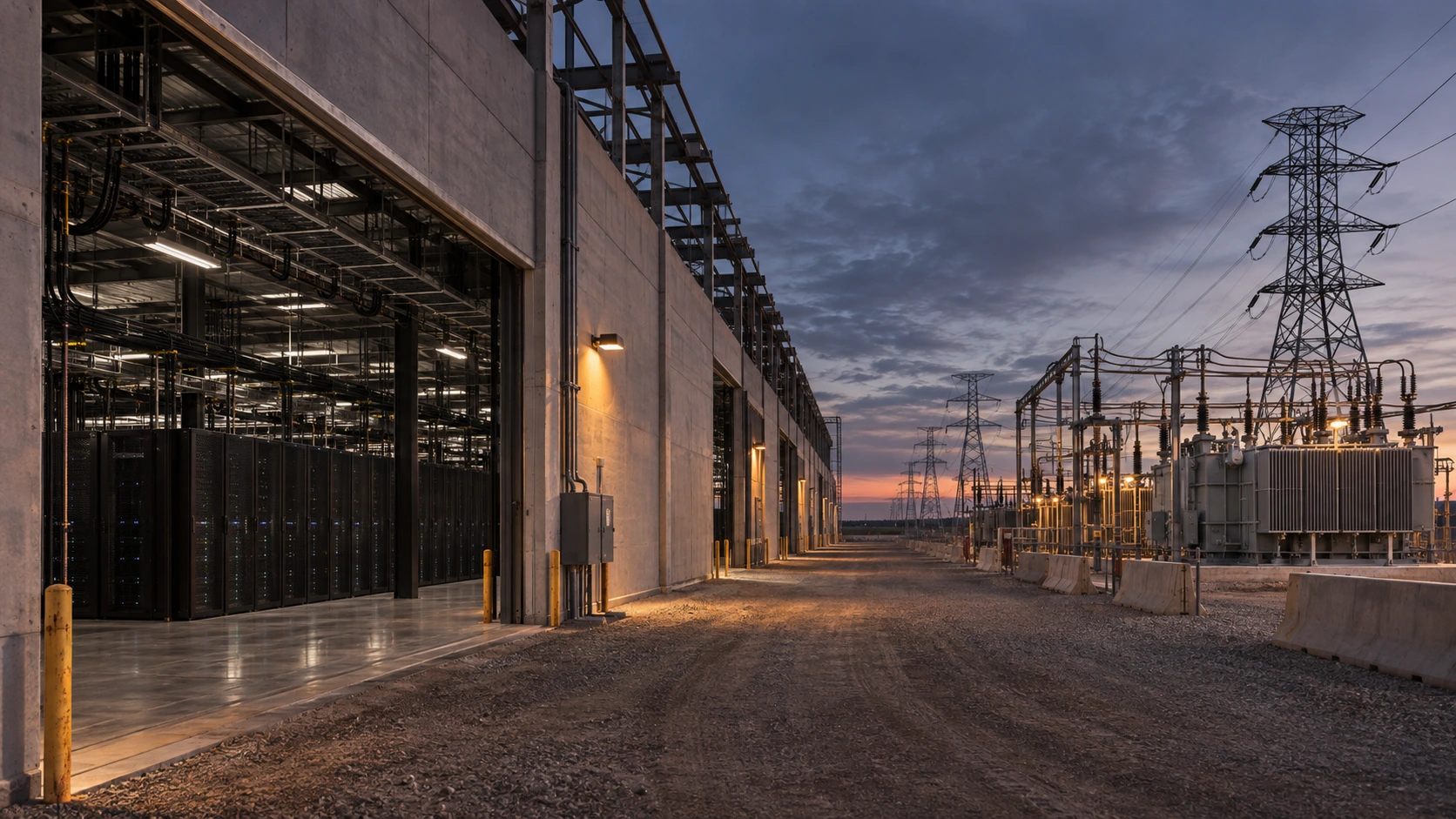
Could SpaceX buy an unfinished data center and get it running sooner? The answer depends on power, permits and the total cost to finish.
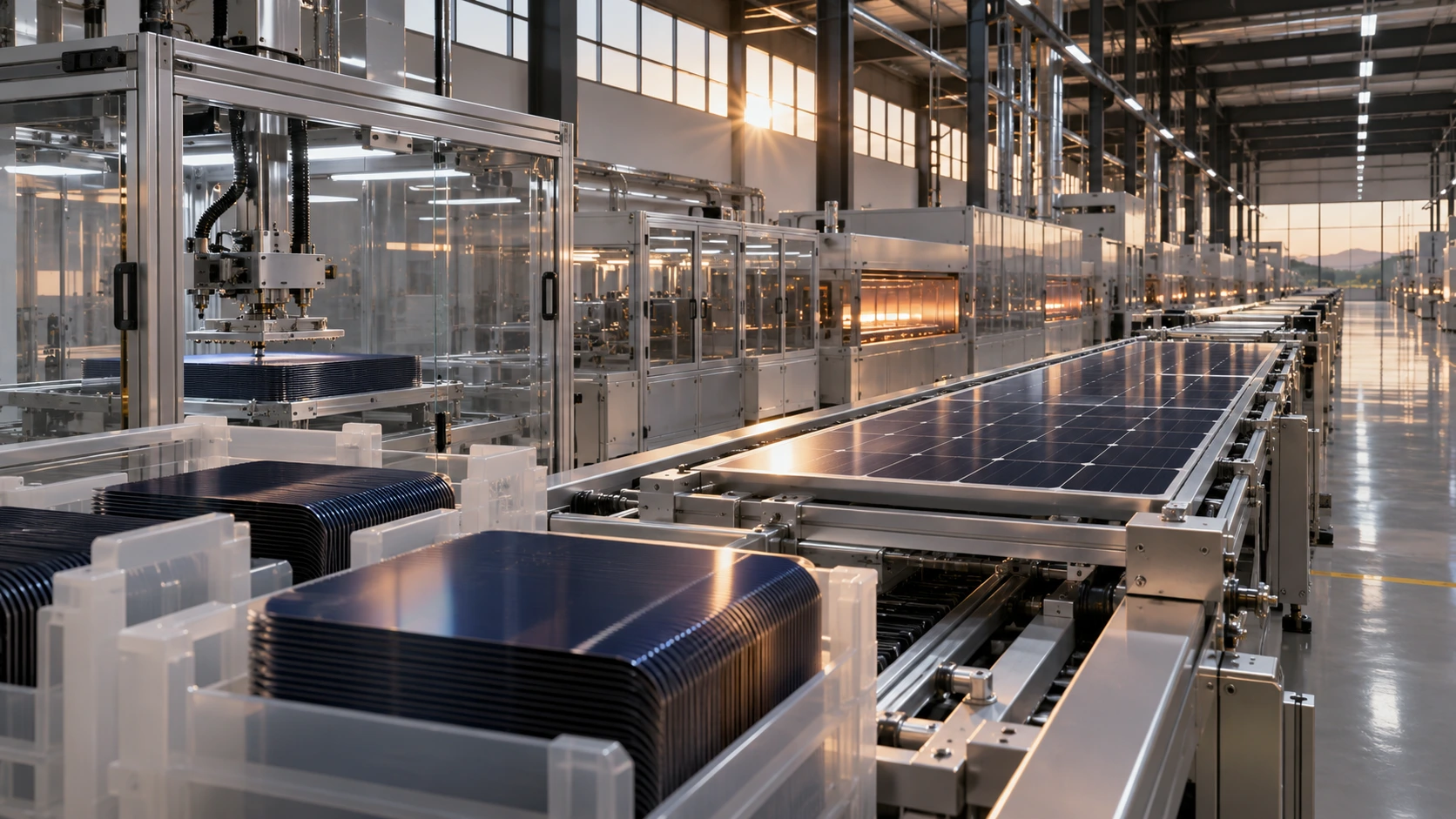
Site work and Musk’s acknowledgment bring Tesla’s solar manufacturing plan into focus. Can control of the production chain earn back the proposed $10.1 billion investment?
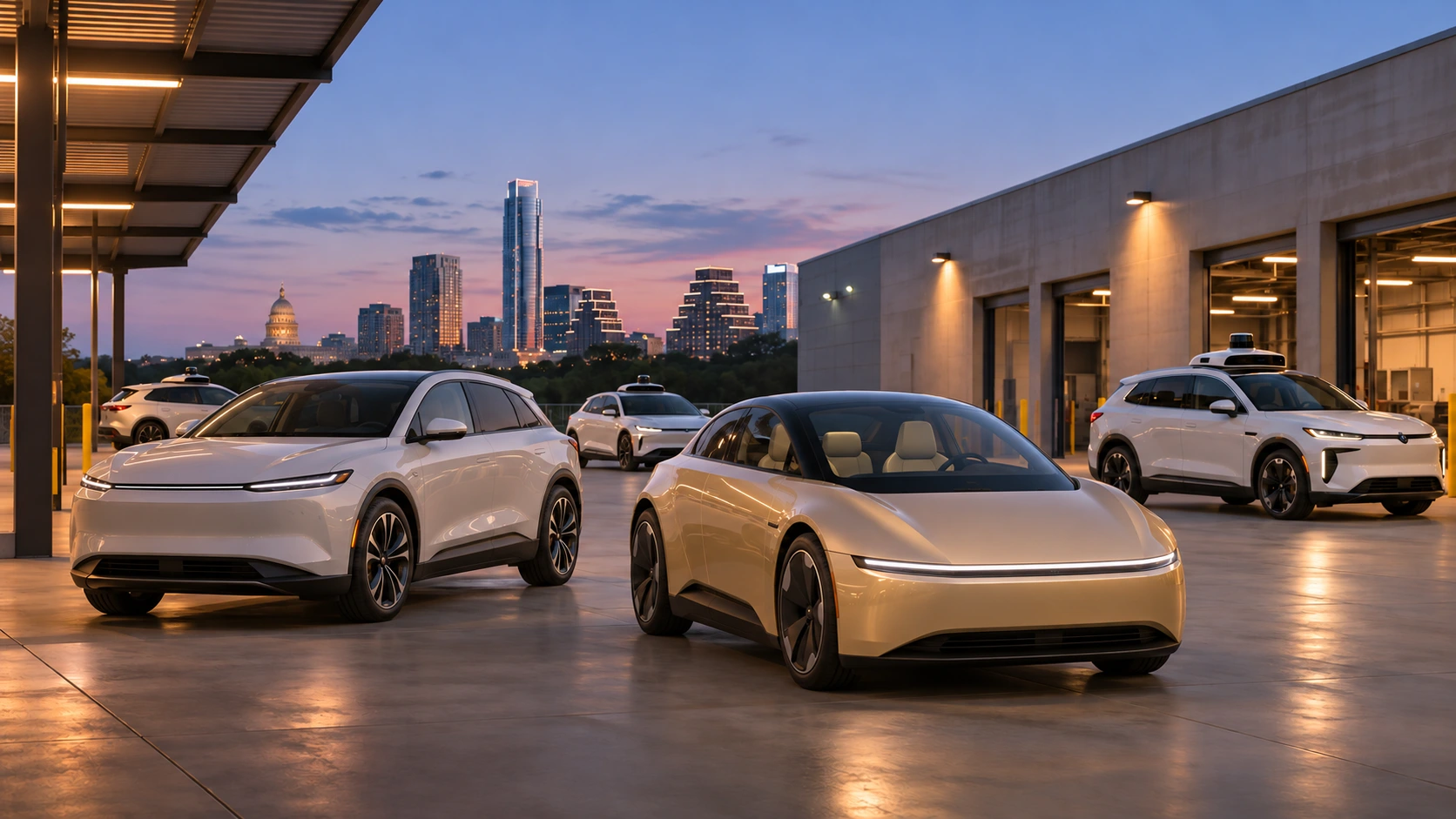
Tesla has 1,282 vehicles on the Texas registry against Waymo’s 1,285. What does near parity in registered vehicles tell investors about paid rides and returns?
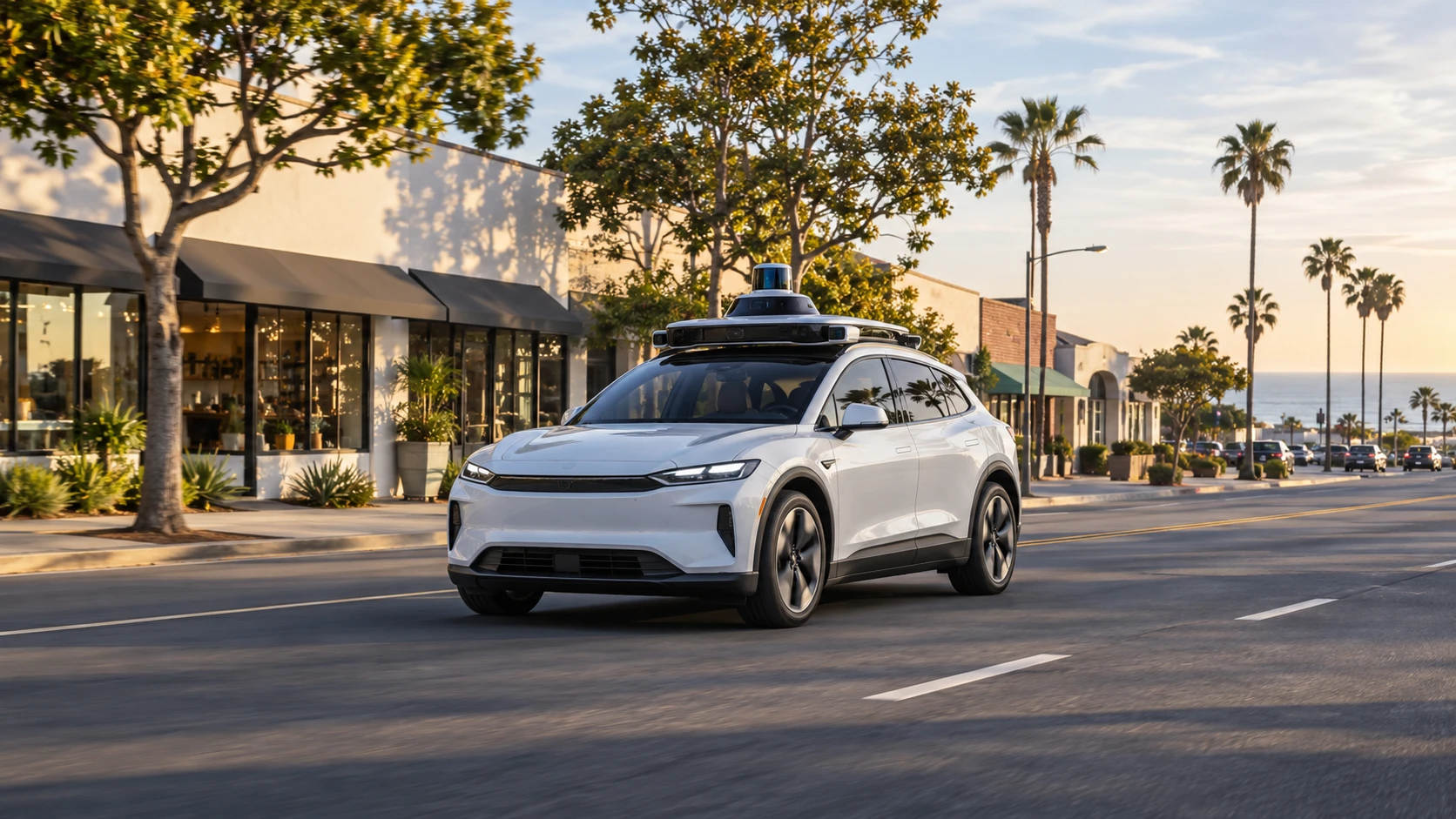
Waymo is adding nearly 250 square miles across five markets. Will a larger service area raise paid miles per vehicle or spread the fleet more thinly?
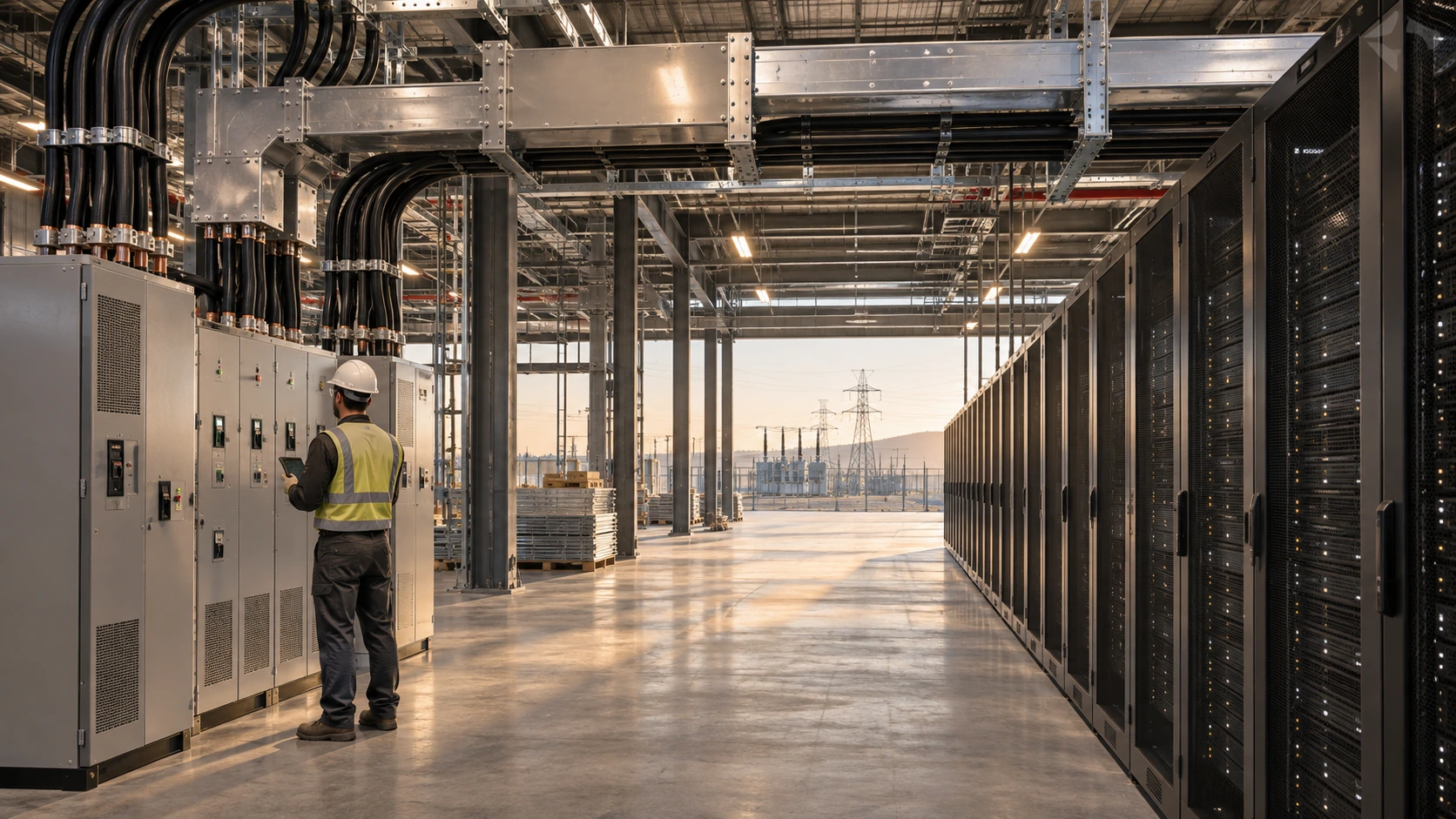
Musk connects chips, compute, Starship, Starlink and Optimus. Which milestones turn that industrial vision into returns for Tesla and SpaceX investors?
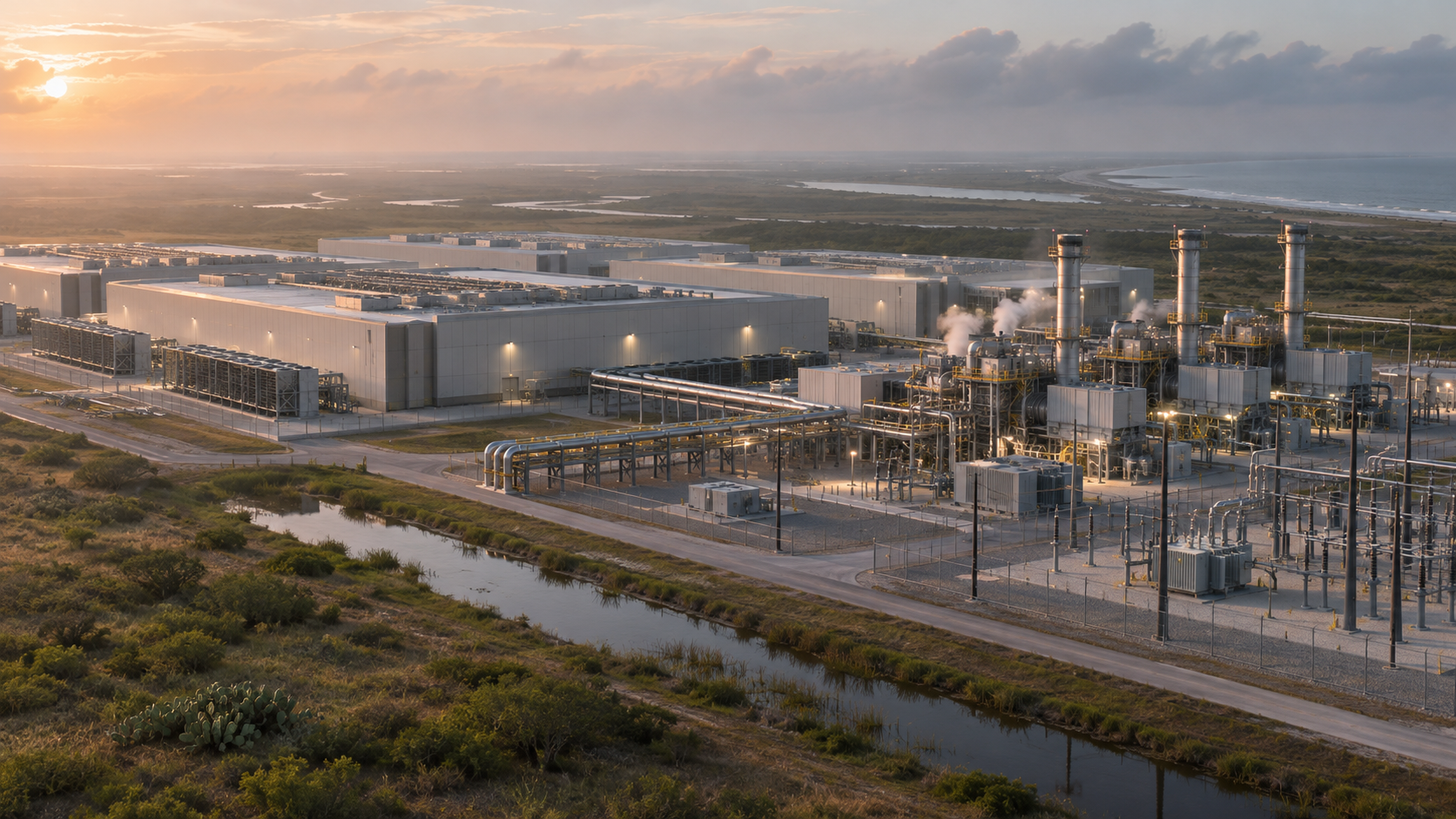
SpaceX proposes power and compute facilities at Starbase. Does controlling both justify the estimated $24 billion initial capital commitment?
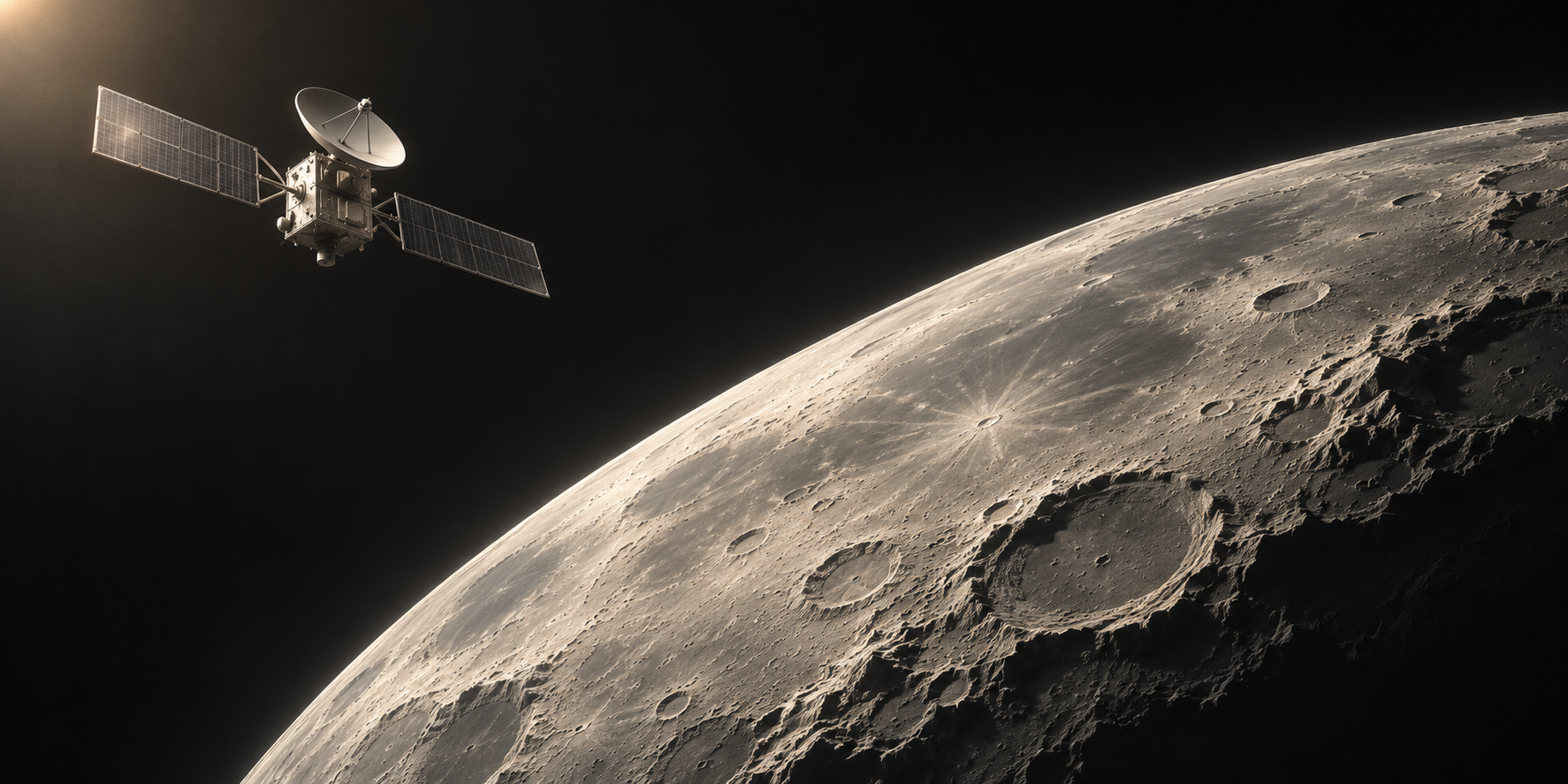
NASA has assigned lunar work to SpaceX and Blue Origin. Which awards belong in a revenue forecast, and what would establish repeat business?
Musk cites Alphabet conflicts in Donald Harrison’s SpaceX board exit. What do the ownership filings reveal, and what changes for a possible Tesla merger?
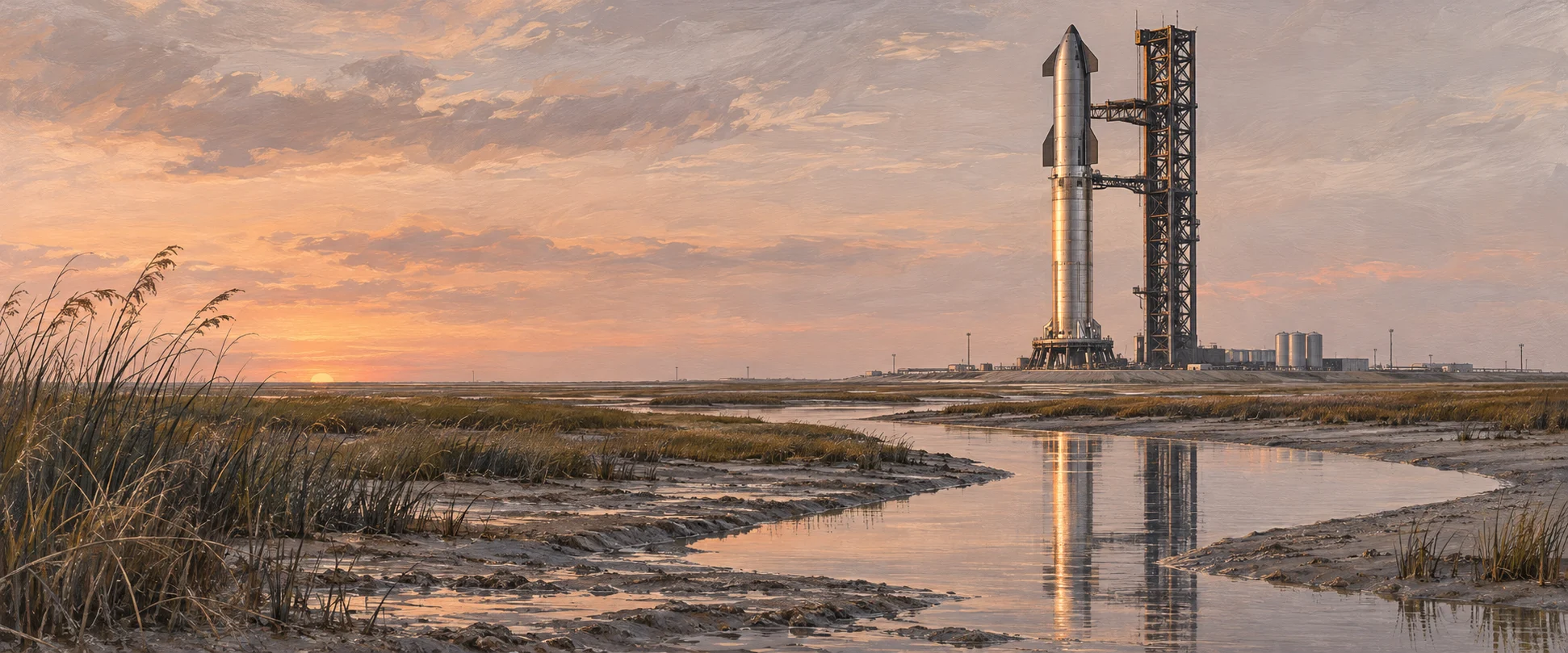
Texas is weighing the future of public land near Starbase. Which SpaceX facility would depend on a sale, and what would a delay mean for launches?
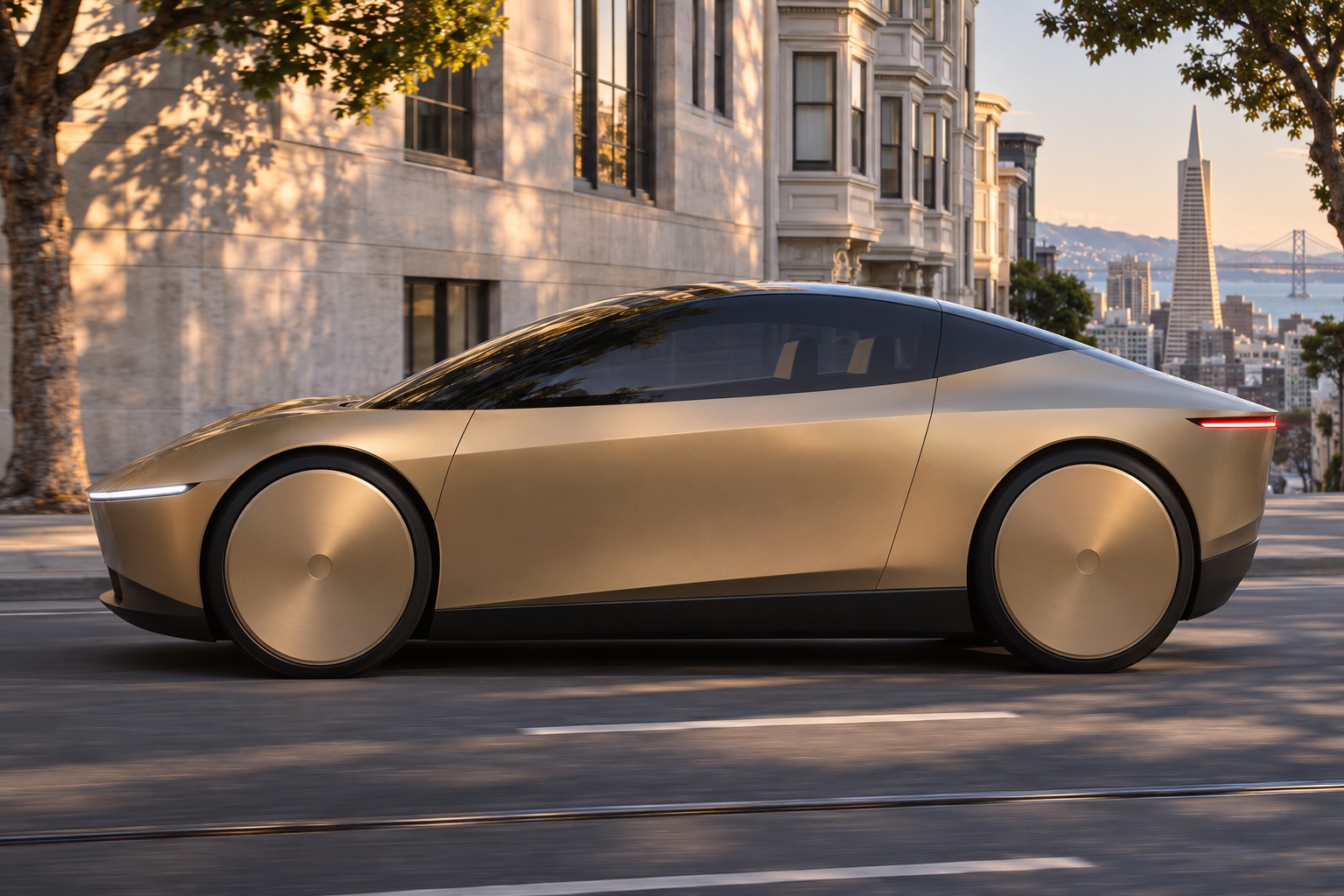
Tesla is winding down Cybertruck production in Austin. Who buys the next Cybercab determines when Tesla earns back the cost of building it.
Try another company or product.