Why Finland Is Letting Tesla Drivers Try Assisted Driving Before Winter
By Dalton Skach · 3 min read
A Finnish Tesla owner can now be offered driving assistance just as winter approaches. The driver still has to watch the road and be ready to take over. Why allow a system into a new market before its most difficult season?
Why Finland moved now
On November 10, Finland’s transport regulator, Traficom, recognised the Dutch provisional approval for Tesla Assisted Driving. Its November 11 announcement says Tesla can offer the system immediately. That establishes permission, not how many customers have received it.1
Traficom cites changes Tesla made and the chance for drivers to become familiar with the system before harsher winter conditions. Its reasoning makes the customer’s learning process part of introducing the product.
For Tesla, that creates a practical question: can the company make the system useful while making its limits equally clear? A customer who misunderstands when to intervene is a different problem from a customer who simply dislikes a feature.
The product includes the boundaries
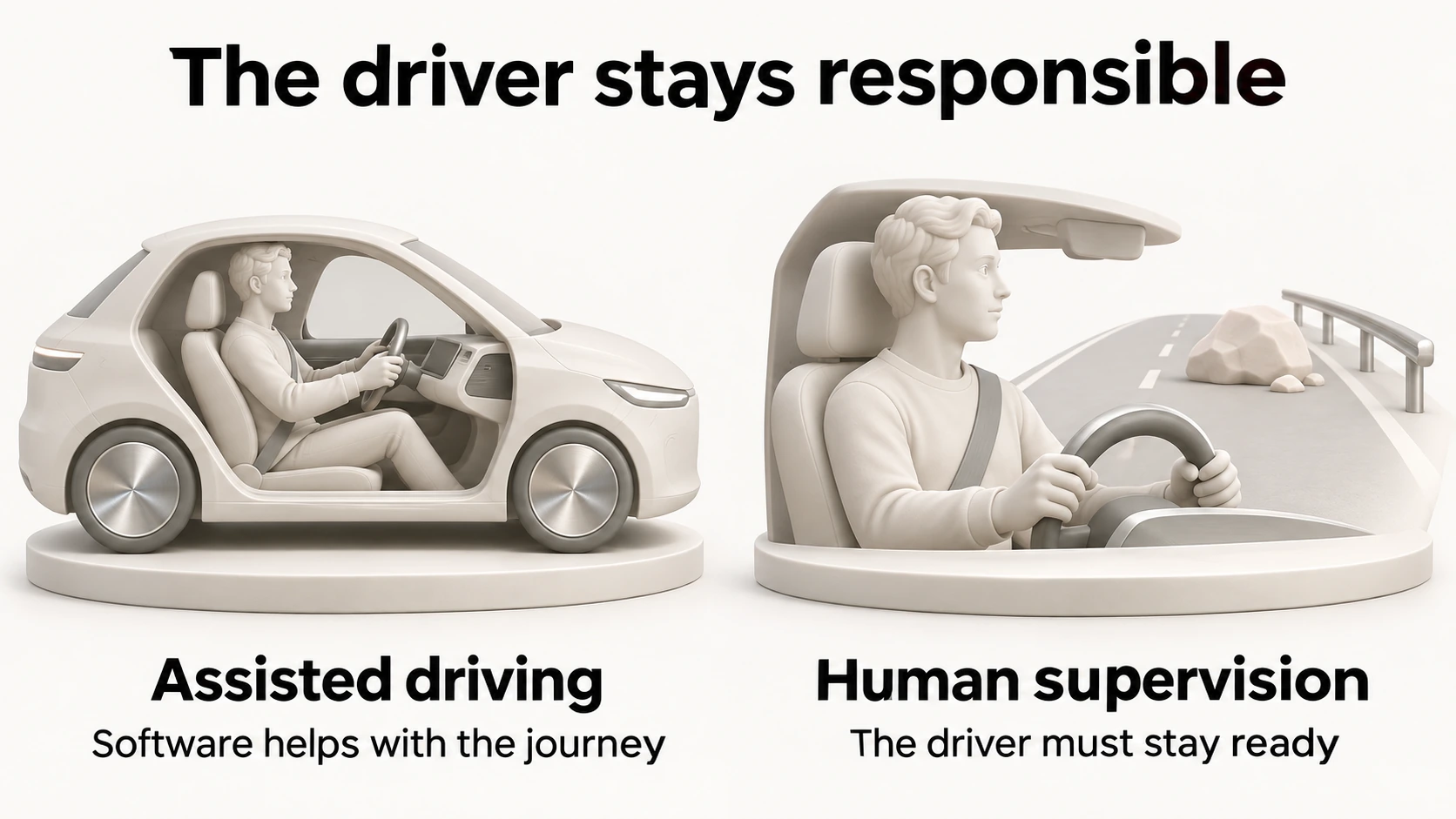
The former FSD (Supervised) name has become Tesla Assisted Driving. Traficom also describes revised speed settings, including resetting speeding deviations when the car restarts. Drivers remain responsible and must be ready to intervene without waiting for a prompt.2
Those boundaries matter commercially as well as technically. A more capable feature is only useful if the person using it understands what work it performs and what work remains theirs.
In BTF’s interpretation, the name and default settings are part of the operating design. They shape expectations each time someone starts a journey. Clearer expectations could support trust; confusing ones could create extra support work and disappointing experiences. Neither outcome is established by the approval.
Winter tests the usefulness
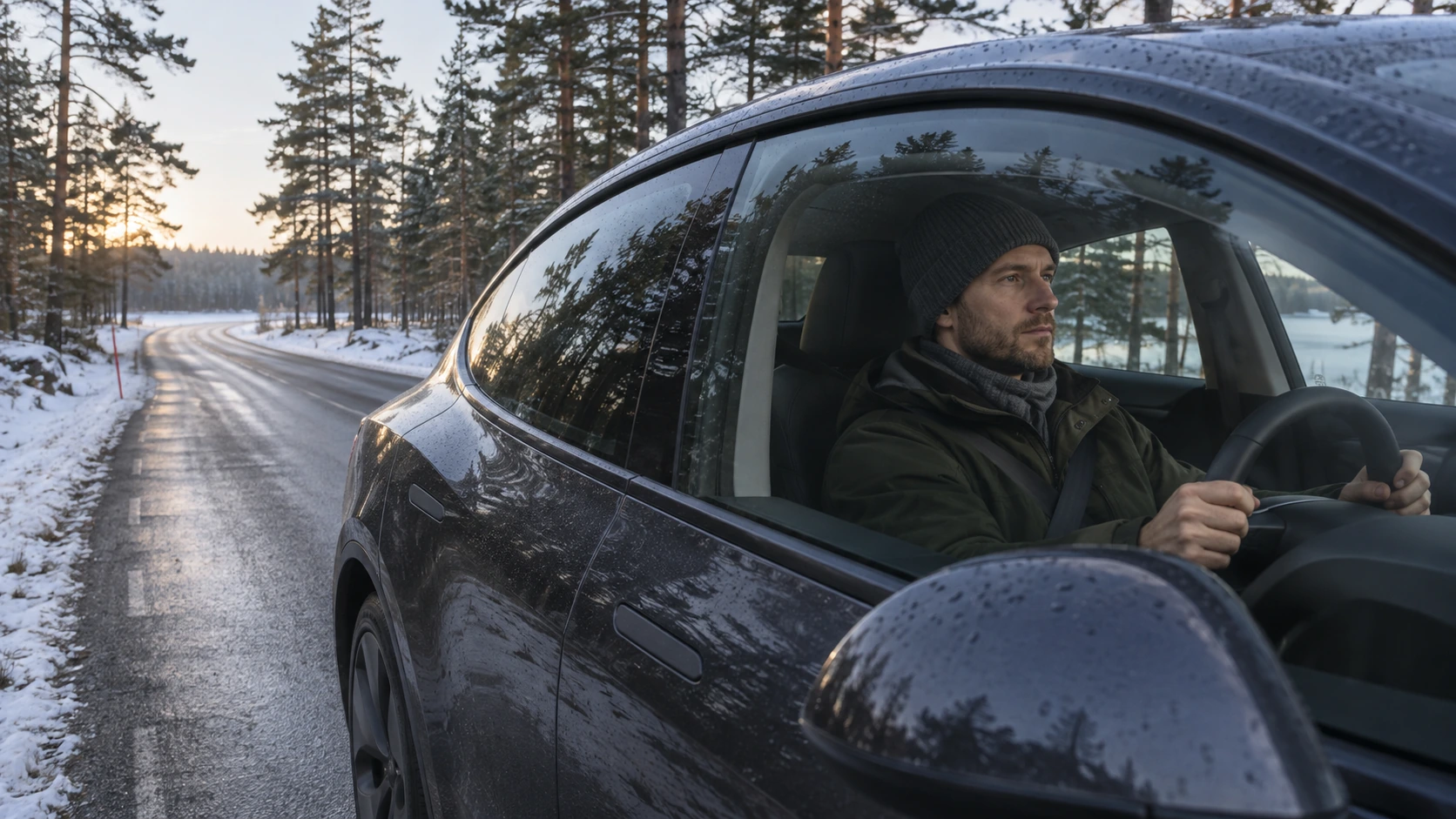
Traficom says winter was considered in the assessment, but snow or dirt on cameras and difficult conditions can limit operation.3
For a customer, usefulness depends on the journeys they actually make. A system that helps on a clear road may be less valuable to someone whose commute frequently involves conditions where they must do more of the driving themselves.
That is a question to investigate, not a finding about Tesla’s Finnish performance. It suggests that a useful account of the rollout would describe where and when people use the system, alongside how many activate it. A single adoption number would leave much of the operating story unexplained.
Turning permission into a business
EU-wide approval remains pending. Finland’s recognition does not commit its later EU vote.4
Tesla therefore has a newly permitted market to serve while a broader decision remains open. BTF’s business question is whether access becomes sustained demand for a product people understand and value.
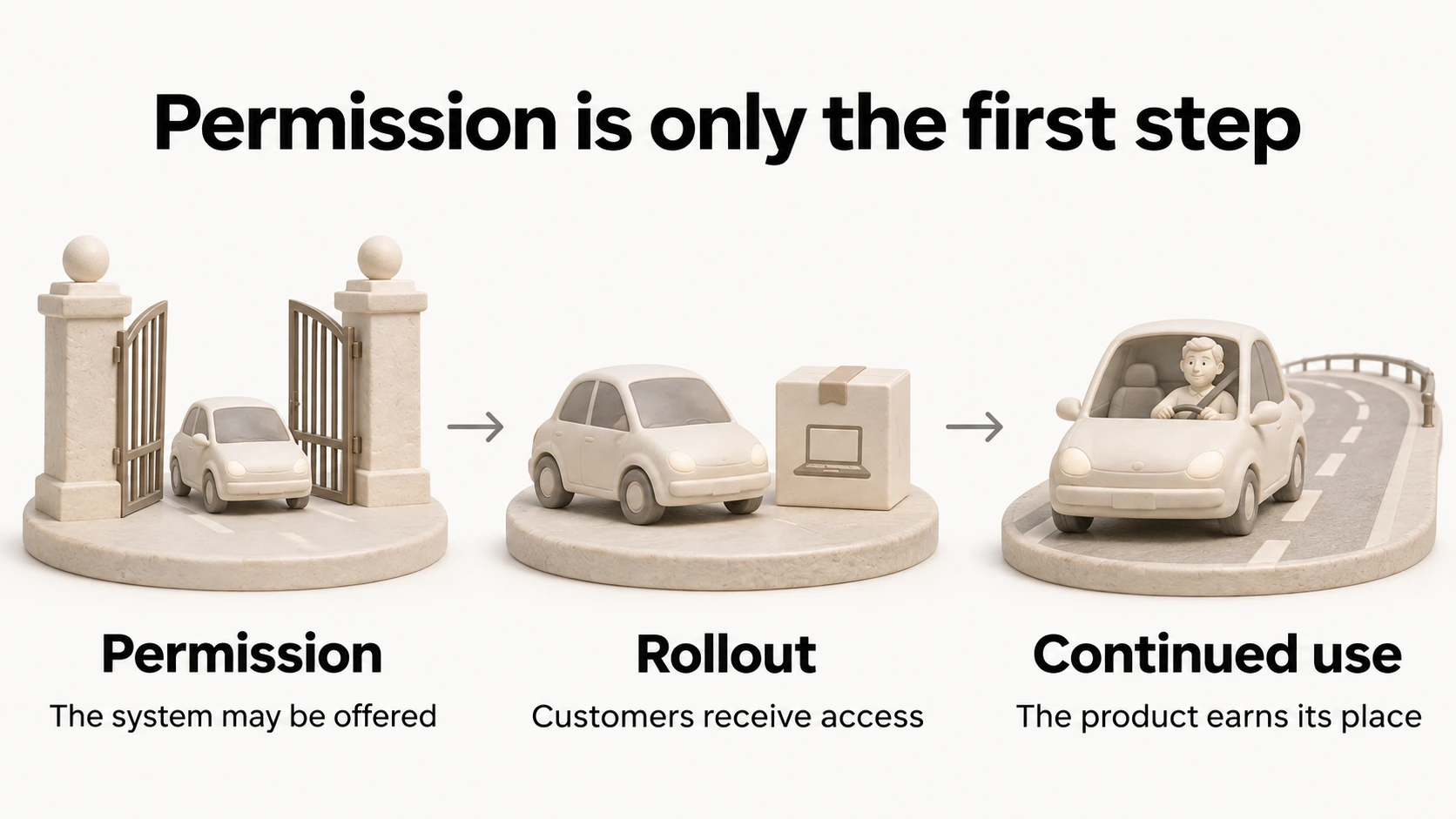
A forecast would need more than the permission itself: the local offer and price, compatible vehicles, actual delivery of access, and evidence of continued customer use. The announcement alone does not provide a basis for estimating Finnish revenue or extrapolating it across Europe.
What the first winter can reveal
Finland gives Tesla an opportunity to demonstrate an everyday assistance product under clearly stated limits. The next useful evidence would connect actual customer access with ordinary driving experience: how reliably the feature helps, how clearly it communicates its limits, and whether customers keep using it.
Consistent usefulness and well-understood boundaries would strengthen the commercial case. Frequent limitations that disappoint customers, or confusion about responsibility, would weaken it. The approval opens the door. The experience through a Finnish winter will help explain what is behind it.
This article reflects Dalton Skach’s views as of November 11, 2026. It provides general research and does not offer personalized investment advice or recommend buying, selling, or holding a security. As of November 8, 2026, Dalton owns shares in Tesla and SpaceX. Editorial Standards & Disclosures · Terms of Use
Sources and calculations
- Traficom announcement, published November 11, 2026, opening paragraphs. Recognition dated November 10; permission to offer and stated reasons for timing. Read November 11. ↩
- Traficom, “Changes to Tesla’s system” and “Key considerations when using driver assistance systems.” Product name, speed defaults, driver responsibility. ↩
- Traficom, Jukka Juhola’s opening winter-conditions explanation. No quantitative winter performance result is supplied. ↩
- Traficom, “National recognition does not bind Finland in the EU-level vote.” National and EU decisions remain distinct. ↩
Commercial consequences, suggested evidence and customer examples are BTF interpretation, not measured outcomes or company guidance. No revenue, accident-rate or rollout-date forecast is calculated. The research email’s country count and claim that rollout begins soon are omitted because they were not independently verified for this article.
All three images are original AI-generated conceptual artwork created November 11, 2026. They do not depict an actual Tesla vehicle, test, incident or regulatory event. The two sculpted models explain responsibility and business stages. Prompts are retained with the private review package.