Tesla’s EMAG Bid Is a Bet on Making the Difficult Parts
By Dalton Skach · 2 min read
Tesla has filed to buy assets from EMAG, the German precision machinery group. Reuters reported the proposed transaction on November 27; a republication of the competition authority’s notice dates the filing to November 23. This is a proposed acquisition, not a completed deal.1
My read: the potential prize is control over how difficult parts get made. If the assets support Optimus, Tesla could bring robot design and manufacturing decisions closer together. That would be a meaningful industrial capability, but the records reviewed do not establish which assets Tesla would receive or how it intends to use them.
The question is whether ownership would help Tesla produce reliable joints faster and at lower cost than buying equipment and working with an outside supplier. The acquisition would need to improve that process enough to justify its price.
The machinery behind the movement
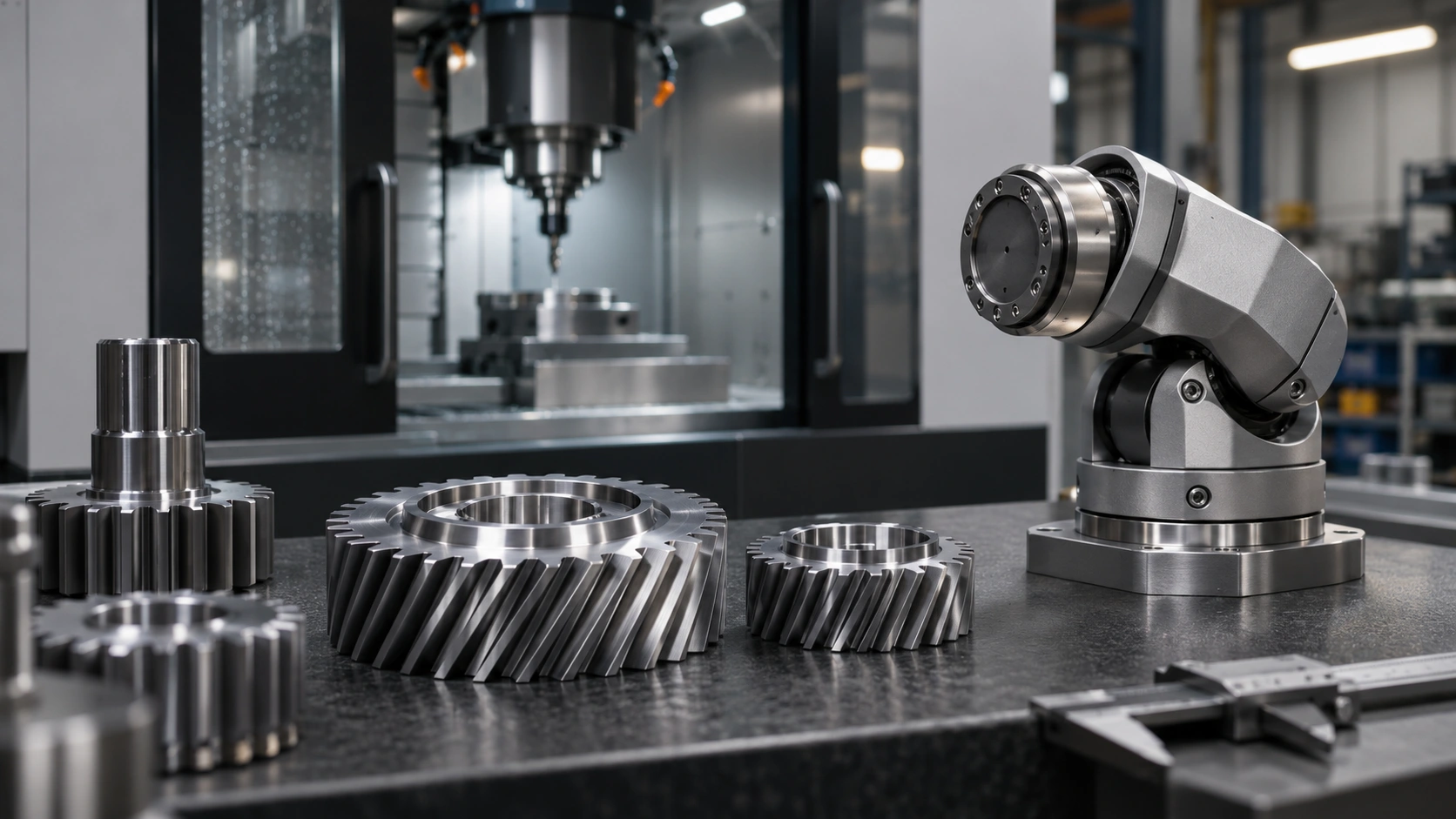
An actuator converts electrical energy into movement. In a robot joint, precisely made mechanical components help control that movement. EMAG’s November 25 technical article describes the challenge of making small, accurate gears, correcting distortion after hardening, and moving from small batches to automated production. Its portfolio includes machining, gear cutting, grinding, measurement and testing.2
That is the relevant connection to humanoid robots. EMAG supplies manufacturing technology; its capabilities do not establish that Tesla has solved the engineering or economics of Optimus.
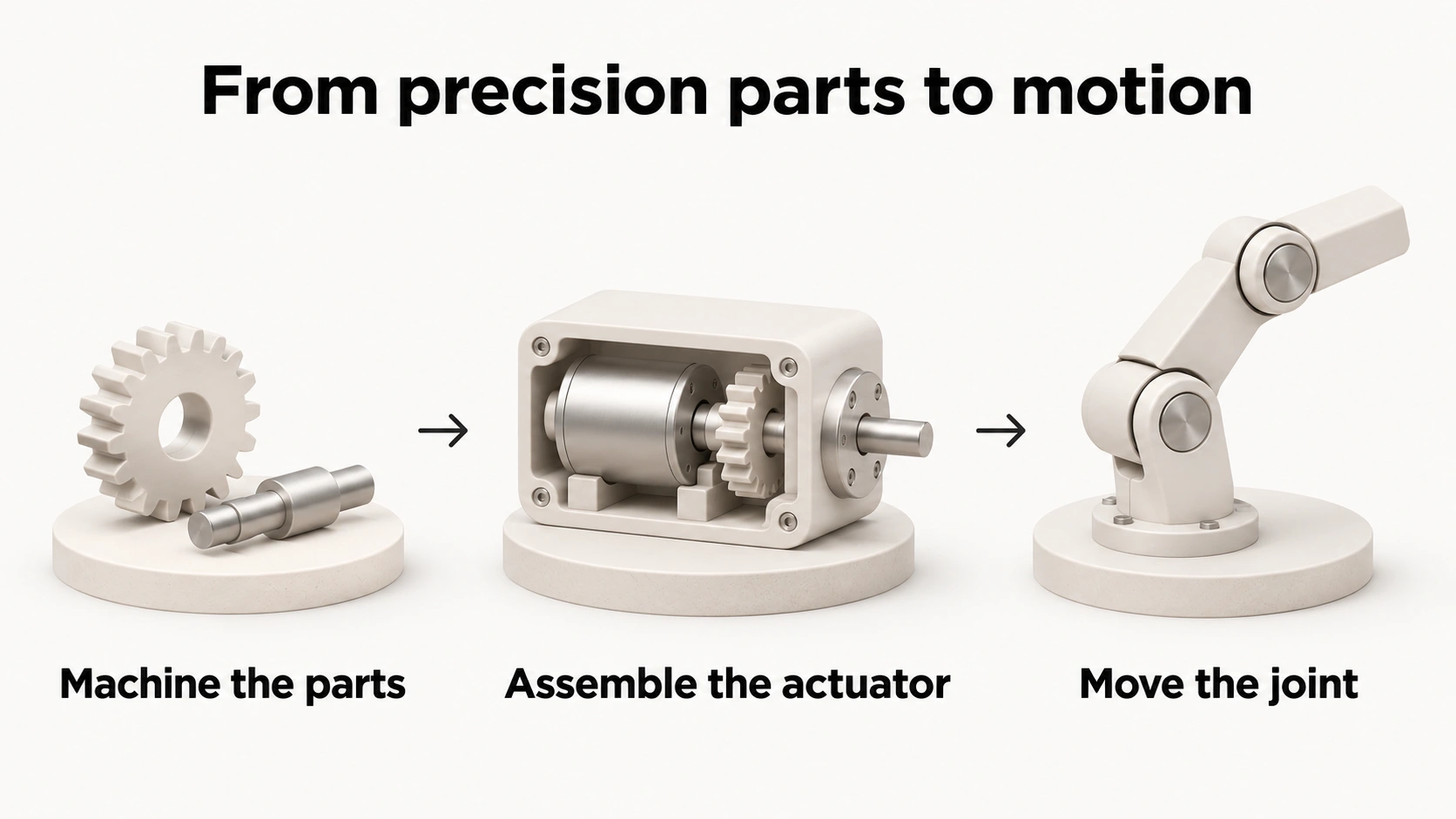
Owning the process could shorten the loop between changing a component’s design, making it, measuring it and finding out why it fails. That is my interpretation of the opportunity, not an announced Tesla integration plan.
Ownership has to improve the output
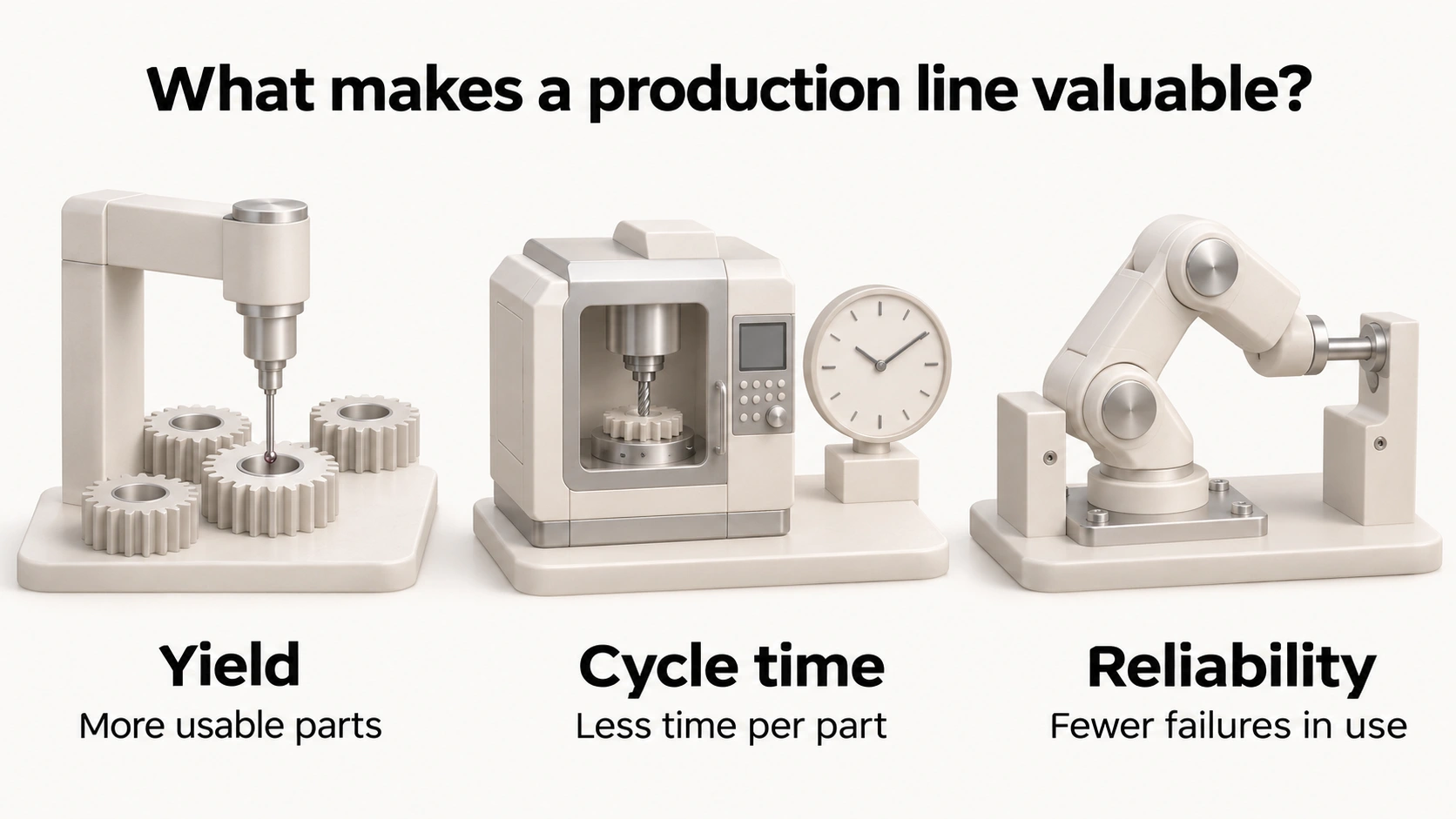
I would judge that opportunity on three measures: yield, the share of parts that meet specification; cycle time, how long each part takes to make; and reliability once those parts are working inside a robot.
Those measures connect the factory to the business. Fewer rejected parts can reduce waste. Shorter production times can make equipment more productive. Longer service life can reduce repairs and interruptions. Buying machinery expertise only creates an advantage if Tesla can turn it into results like these.
The next evidence to watch is the asset perimeter, the purchase price, regulatory clearance and Tesla’s explanation of the intended use. After that, I want evidence of better production performance. This filing makes the manufacturing story more concrete. It does not yet tell us how many useful robots Tesla can deliver.
This article reflects Dalton Skach’s views as of November 27, 2026. It provides general research and does not offer personalized investment advice or recommend buying, selling, or holding a security. As of November 8, 2026, Dalton owns shares in Tesla. Editorial Standards & Disclosures · Terms of Use
Sources and calculations
- Reuters, November 27, 2026, via Euronext, transaction report. Bundeskartellamt notice reproduced by FinanzNachrichten, November 27, 09:30; fields “Datum der Anmeldung,” “Aktenzeichen,” “Unternehmen” and “Produktmärkte.” Case B5-132/26, filing November 23, Tesla / EMAG group, asset purchase. The reproduced notice does not specify the transferred assets, price, closing date or intended Tesla application. Original-source check, November 27: the Bundeskartellamt proceedings page loaded, but its case search returned HTTP 403, including through the normal browser form. The original case entry could not be verified directly. The filing date, case number and asset-purchase description above therefore rely on the attributed republication, corroborated as a proposed transaction by Reuters. ↩
- EMAG, Oliver Hagenlocher, November 25, 2026, “Actuators are the muscles of a robot,” “Why the mechanics become the bottleneck” and “From prototype to series production.” Company description of manufacturing challenges and capabilities, not independent validation of Tesla performance. ↩
Research cutoff: November 27, 2026. No production forecast or valuation calculation is used. The ownership mechanism and proposed performance measures are BTF analysis. Original AI-generated conceptual photography and sculpted illustrations depict imagined equipment, not Tesla or EMAG facilities or product designs. Prompts and provenance are retained with the working files. Editorial standards.