Tesla’s Robotaxi Fleet Is the First Test for In-Car Starlink
By Dalton Skach · 3 min read
At 8:15 p.m. Eastern on Sunday, November 22, Elon Musk answered David Marcus’s request for built-in Starlink across Tesla’s lineup. Musk said he hoped the option would arrive toward the end of 2027. His reason was what passengers could do with the connection once the car drives itself.1
I think Tesla’s first customer for in-car Starlink tells us more than Musk’s timeline does. Tesla can put the hardware in its own robotaxis and learn whether riders use it. Giving a Model Y buyer a reason to pay for it is a different business.
What’s already in the trunk lid
Tesla’s November 20 first-responder plan identifies a Starlink unit embedded in the trunk lid of Cybercabs manufactured starting this month. The detail appears on page 4 because responders may encounter the hardware when accessing the car. Tesla says it helps make connectivity more reliable. The guide leaves open whether riders can connect their own devices today.2
Cybercab’s trunk-lid integration
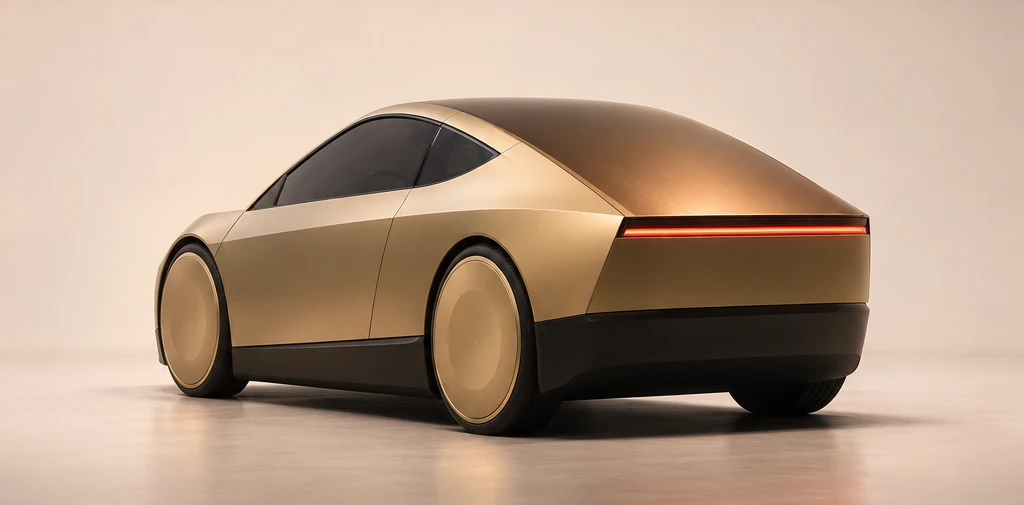
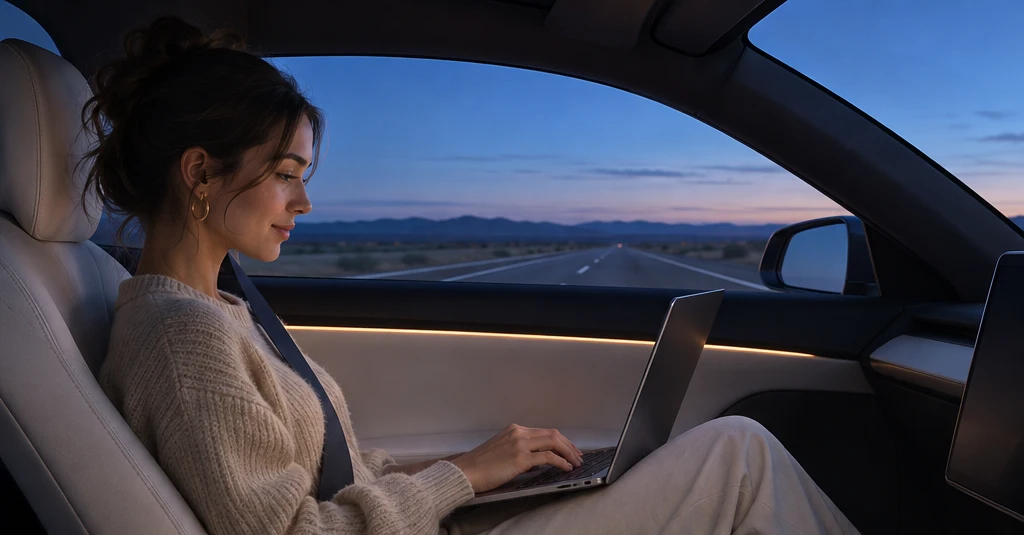
Musk’s explanation fills in the intended use. On a driverless trip, the person who would otherwise have both hands on the wheel can join a video call or watch a game. A connection that holds as the car moves between areas of uneven cellular coverage could make a longer ride more useful. The exchange gives us a passenger use case. It makes no claim that the driving software needs a satellite link to steer.
Who pays for the connection?
In a Cybercab, Tesla can buy connectivity for the fleet and include it in the fare. A rider could try it on a single trip. In a privately owned car, the buyer already brings a phone and a data plan. That changes the sales pitch. The buyer needs to know where the built-in service works better, what it costs and how often someone in the car will use it.
One fleet buyer or individual owners
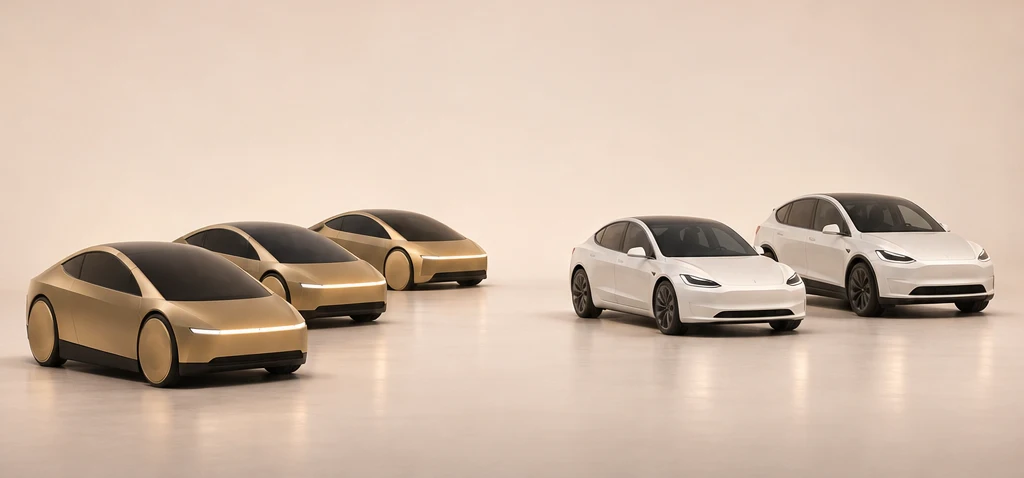
Marcus asked for all models. Musk offered a hopeful date and later excluded China, citing restrictions on Starlink. Neither reply specified the first retail model, its hardware or a price.3
I’d watch for two things in order. First, can a Cybercab passenger connect a laptop and stay on a call through a stretch where their phone drops out? Then look for Starlink in the order configurator for a named Tesla model, with a price and service terms. The first would show what the connection is worth on a ride. The second would tell us what Tesla thinks an owner will pay for it.
This article reflects Dalton Skach’s views as of November 23, 2026. It provides general research and does not offer personalized investment advice or recommend buying, selling, or holding a security. As of November 8, 2026, Dalton owns shares in Tesla and SpaceX. Editorial Standards & Disclosures · Terms of Use
Sources and calculations
- November 22, 2026, 8:15 p.m. ET. Musk’s reply to Marcus. ↩
- Tesla, Cybercab First Responder Interaction Plan, version 1.3, November 20, 2026, printed page 4, “Starlink Integration.” ↩
- November 22, 2026, 8:37 p.m. ET. Musk’s follow-up on China. ↩
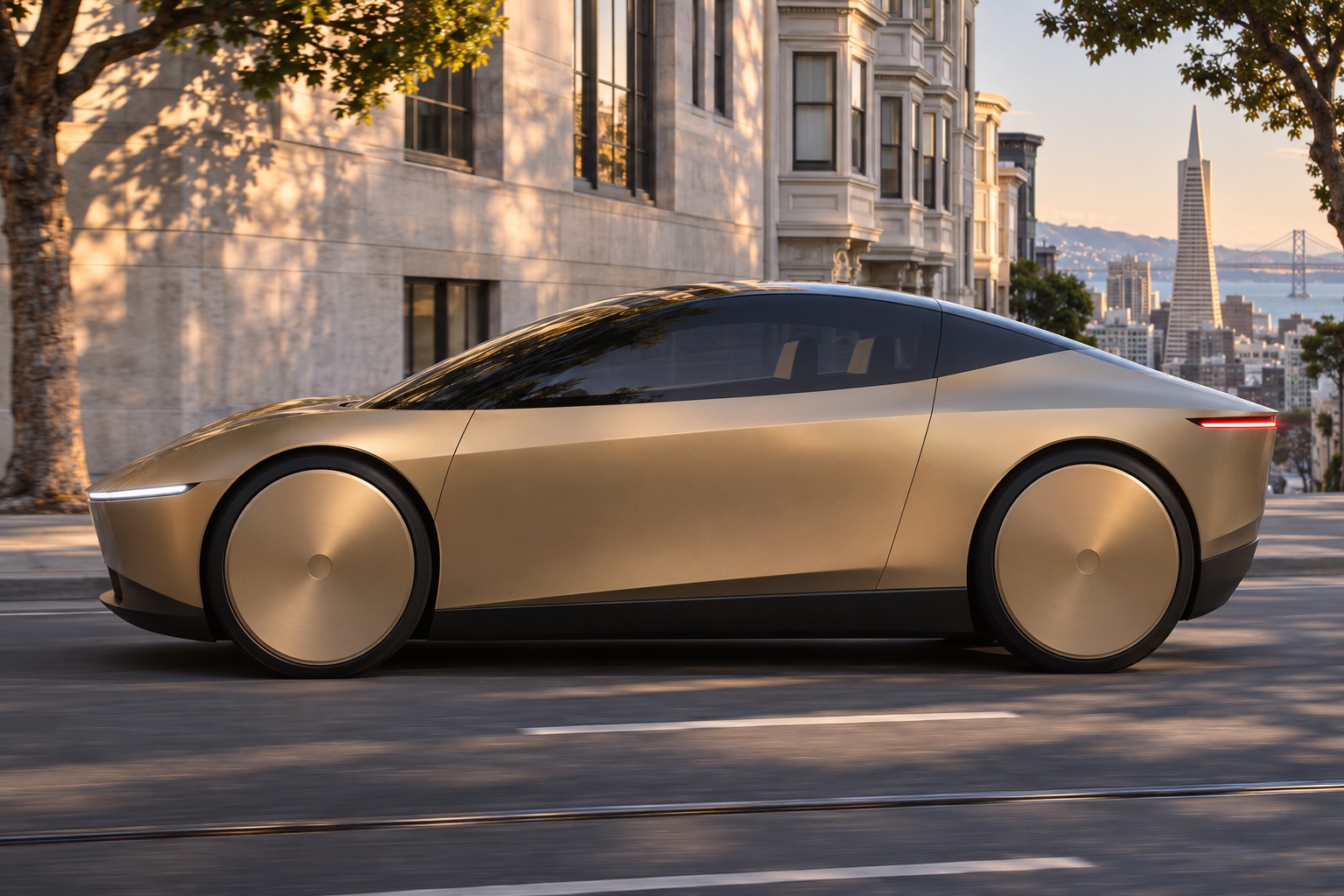
Original AI-generated conceptual artwork. Vehicle illustrations represent the argument and do not depict production hardware.
Go deeper
Build or Buy examines how SpaceX could reach more wireless customers through its own infrastructure and partnerships.