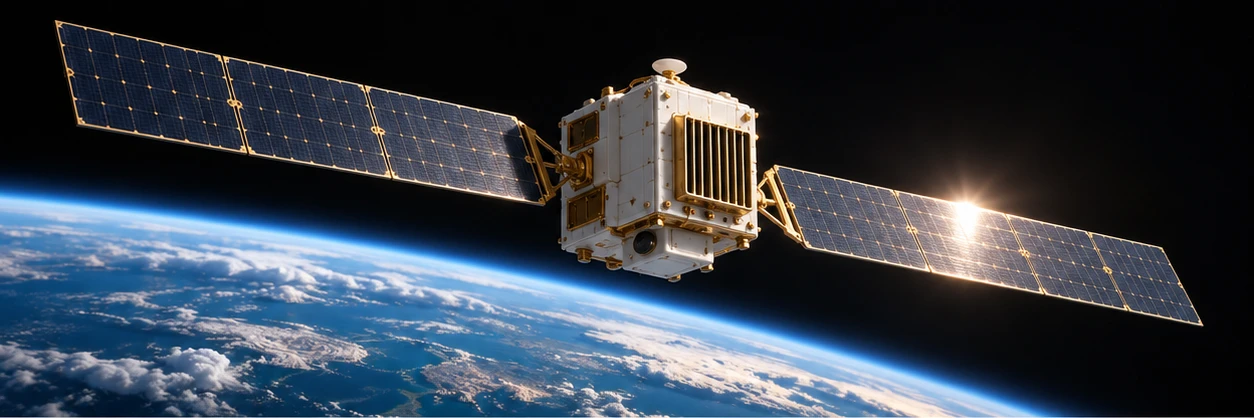
The FCC Approved Starmind. How Fast Must SpaceX Build It?
By Dalton Skach · Published 2 min read · Updated
On November 25, the FCC’s Space Bureau conditionally authorized SpaceX to deploy up to one million Starmind satellites for orbital computing. SpaceX has until 2033 to get one satellite operating, then until 2035 to get 10% of the constellation operating. That gives it years to test whether customers will pay for work done in orbit before it has to build at scale.1
What the FCC requires
Condition 10 sets four deadlines. Satellites must be in their assigned orbits and operating under the authorization by each date.
- November 25, 2033. One authorized satellite.
- November 25, 2035. 10% of the authorized maximum, or 100,000 satellites.
- November 25, 2038. 50%, or 500,000 satellites.
- November 25, 2040. The remaining satellites needed to complete the authorized constellation of one million.
SpaceX initially asked to waive deployment milestones altogether. It withdrew that request and asked the FCC to apply its newer milestone rules. The order says the authorization becomes void if SpaceX misses those conditions. SpaceX’s stated target to begin production and deployment as early as late 2027 is its own timetable.2

What the first satellites can prove
SpaceX’s FCC filing describes satellites that could exchange data over optical links, including links to Starlink. That gives the company a way to test a whole service with a small fleet. A customer sends a computing job, a satellite runs it, and the network delivers the result.3
For a customer choosing where to run that job, the useful comparison is the price of a completed result delivered on time. Generating electricity in orbit helps only if the processors can stay busy and the network can move the data when the customer needs it. A first flight could demonstrate that the pieces work together. Repeat paid jobs would tell us what that capability is worth.

What to watch after approval
I’d watch for a customer willing to disclose what ran in orbit, how long it took and what they paid. The jump from one operating satellite to 100,000 in two years between the FCC deadlines makes the timing of those early tests matter. A paid job would give SpaceX a price per result to weigh against the cost of building the fleet.
This article reflects Dalton Skach’s views as of November 27, 2026. It provides general research and does not offer personalized investment advice or recommend buying, selling, or holding a security. As of November 8, 2026, Dalton owns shares in Tesla and SpaceX. Editorial Standards & Disclosures · Terms of Use
Sources and calculations
November 27, 2026 update. Added the final FCC order, its four deployment deadlines and their implications for the pace of investment.
- FCC Space Bureau, DA 26-1273, November 25, 2026. Grant and condition 10. The 100,000 and 500,000 figures are 10% and 50% of the one-million authorization. ↩
- FCC order, condition 10 and footnote 14, on the withdrawn waiver request and replacement milestones. SpaceNexus, SpaceX Orbital Data Centers, “Announced next steps,” quoting SpaceX’s Gigasat Factory timetable. ↩
- FCC Space Bureau public notice DA 26-113, February 4, 2026, for the application and proposed optical links. ↩
Illustrations are original conceptual artwork.