SpaceX Reportedly Cut GPU Rental Prices. What Can It Earn on Anthropic’s Older Chips?
By Dalton Skach · 3 min read
SpaceX has reportedly lowered the price it quotes smaller customers for short-term access to Nvidia’s Blackwell chips. On November 25, Wccftech, citing a private SemiAnalysis client note, put the new range at $10–$12 per chip per hour, down from about $15–$15.50. The same note says SpaceX is offering other customers access to roughly 50,000 older H200 chips that Anthropic may give up in early 2027.1
The strongest signal here is what a small buyer can reportedly get by asking. A team renting a modest cluster of B200s or B300s can now get a quote in the range previously associated with customers like Google and Anthropic. At the midpoint, that is about 28% less for an hour on the same class of hardware. It is an early sign that SpaceX has less room to charge smaller buyers a premium. The companies have yet to confirm the quotes or the H200 decision.
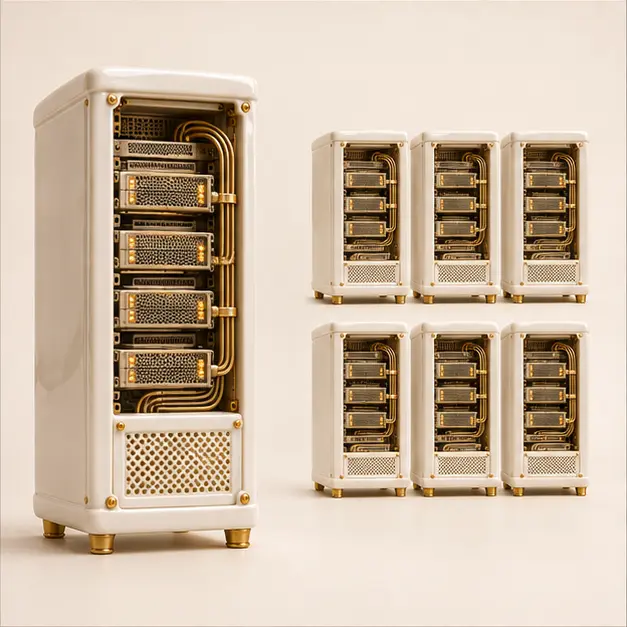
Anthropic can grow and still give chips back
At the November 18 DealBook Summit, Elon Musk said Anthropic had told him it was “extremely likely” to keep renting from SpaceX and might want another 10 gigawatts. That leaves room for Anthropic to return one generation of chips while seeking more capacity on different hardware. The public record leaves the hardware mix open.2
Anthropic’s prospectus explains why the distinction matters. It puts payments to SpaceXAI at about $3.1 billion a month once all contracted capacity has been delivered. That figure covers several arrangements. The filing does not break out what Anthropic pays for these particular H200s.3
What an empty rack costs
The reported asking price for the H200s is about $5 per chip per hour. At that rate, a buyer taking all 50,000 around the clock for 30 days would generate $180 million in gross rental revenue. Fill only half the available hours and the figure falls to $90 million, before power, cooling and other costs.
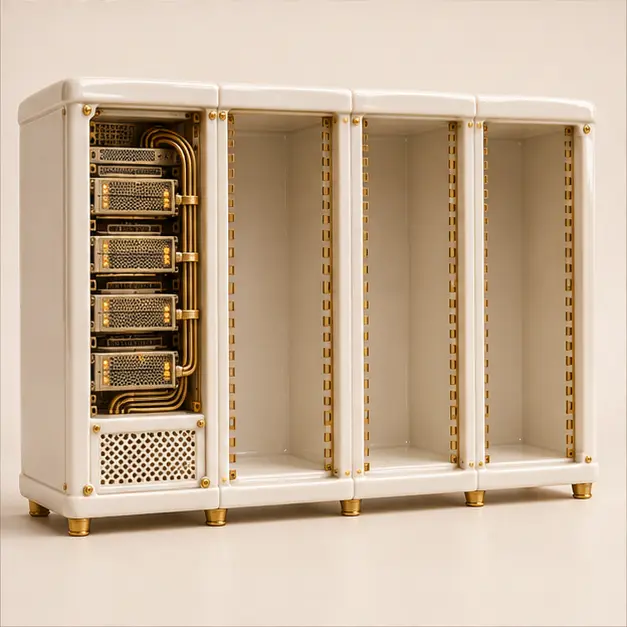
The next piece of evidence I’d look for is a booking with a start date, a chip count and a term. A customer reserving the entire cluster for a year would tell us something quite different from a handful of customers taking a few weeks each. Both could pay $5 an hour. Only one would tell SpaceX what those racks will earn next winter.
This article reflects Dalton Skach’s views as of November 25, 2026. It provides general research and does not offer personalized investment advice or recommend buying, selling, or holding a security. As of November 8, 2026, Dalton owns shares in Tesla and SpaceX. Editorial Standards & Disclosures · Terms of Use
Sources and calculations
- Wccftech, November 25, 2026, 9:12 a.m. ET, reporting on a private SemiAnalysis institutional-desk note. BTF did not inspect the underlying note. The date of the first revised quote is unknown. ↩
- DealBook Summit, November 18, 2026, Musk’s exchange on the Anthropic relationship. His account of discussions is a management statement. ↩
- Anthropic final prospectus, November 2026, Infrastructure Service Arrangements, SpaceXAI paragraph. Accession 0001628280-26-074944. ↩
Midpoint decline equals 1 − 11/15.25, or 27.9%. Illustrative gross rental revenue equals 50,000 × $5 × 24 × 30 × the share of hours booked. Neither scenario estimates prior revenue or profit. Original AI-generated artwork illustrates the economics and depicts an imagined facility.